


Northern Ireland's rarest rainforest gets a 100-year reboot in Tyrone
Ulster Wildlife has planted nearly 30,000 native trees at Lenamore Wood, the first Northern Irish site in Aviva's £38.9m Celtic Rainforest programme. The genetic detail matters more than the photo op.

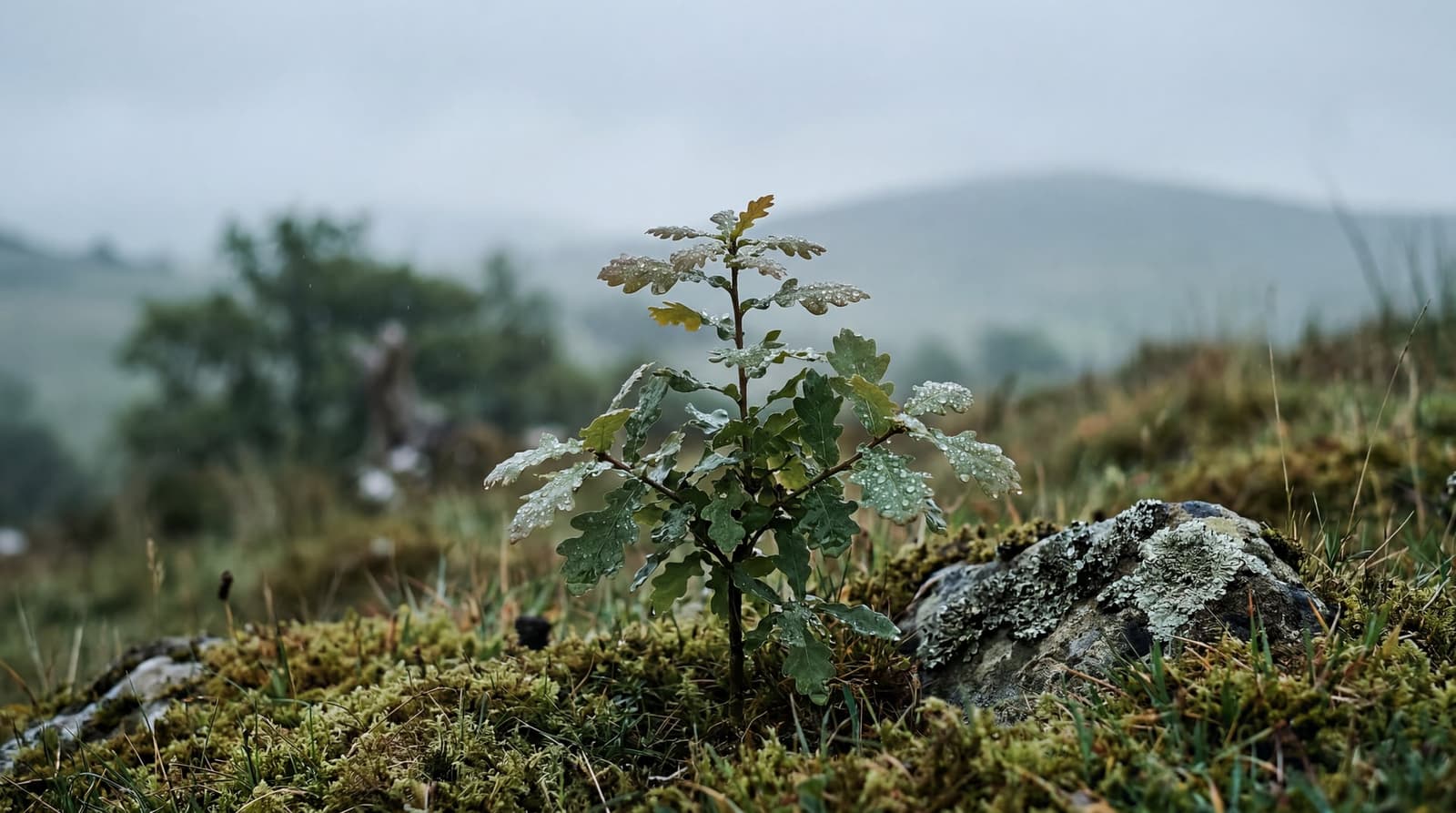
Nearly 30,000 native trees have gone into the ground at Lenamore Wood near Gortin, in County Tyrone, marking the start of a 100-year programme to restore one of the world's rarest habitats: temperate rainforest. Ulster Wildlife, Northern Ireland's lead nature charity, is delivering the project across 41 acres in the foothills of the Sperrin Mountains, an Area of Outstanding Natural Beauty. Oak, alder and rowan of Irish provenance dominate the new planting. The site is the first in Northern Ireland to join a UK-wide rainforest recovery effort funded by insurer Aviva.
The BBC first reported the planting milestone last week (BBC News). Ulster Wildlife confirmed the scale of the work in its own statement, describing Lenamore as a long-term anchor site for what conservationists call Celtic Rainforest or Atlantic Oakwood (Ulster Wildlife).
This rainforest type now survives at less than 1% of its former range across Ireland and western Britain. It is rarer than tropical rainforest.
Why Lenamore, and why now
Lenamore is not a blank canvas. A small fragment of ancient oakwood already clings to the site, sheltering red squirrels and bluebells, and the new planting is designed to expand outward from that surviving core. The Sperrins receive the kind of high rainfall and humidity that temperate rainforest needs, with low annual temperature swings, the same conditions that once let Atlantic Oakwood stretch from Cornwall to Donegal.
Ireland's woodland cover collapsed from roughly 80% of the island before significant human interference to about 1% by the end of the 19th century, one of the lowest figures in Europe. Centuries of agricultural clearance, the 17th-century plantations, and industrial timber demand stripped most of it away. What remains tends to cling to steep valley sides that escaped grazing.
Rosemary Mulholland, Head of Nature Recovery, Ulster Wildlife
Mulholland told Agriland that the restored forest would also "allow adaptation to climate change, reduce threats from extreme weather, and enable local people to reap the benefits." Threatened species expected to gain habitat include Irish stoats, wood warblers, and rare mosses, ferns and fungi.
The acorn detail almost everyone missed
The headline number is 30,000 trees. The more interesting number is hundreds, the count of sessile oak acorns gathered from ancient oaks near Gortin under a licence issued by the Northern Ireland Environment Agency (NIEA). Those acorns are being grown on and will be planted at Lenamore next year.
Licensed seed collection from designated ancient woodland is unusual, and it matters for reasons that go beyond sentiment. Locally adapted oaks carry genetic traits shaped by the specific soils, rainfall patterns and pathogens of the Sperrins. Planting nursery stock of unknown provenance, even native species, can dilute that adaptation and leave a young forest more vulnerable to disease and climate stress over the decades it takes to mature. By bottling the local gene pool now, Ulster Wildlife is trying to make sure the rainforest that exists at Lenamore in 2125 is recognisably descended from the one that exists there today.
A 100-year contract, and the obvious question
The money behind Lenamore comes through a long-term partnership between Aviva and The Wildlife Trusts, the UK-wide network of 46 charities that includes Ulster Wildlife as its Northern Ireland member. Aviva announced the £38.9 million donation in February 2023, describing it as one of the largest private nature commitments in UK history and a pillar of its Net Zero 2040 strategy (Aviva). The wider programme aims to restore more than 2,000 hectares and is projected to remove around 800,000 tonnes of CO2 over a century, peaking at roughly 24,000 tonnes a year around 2060.
"Aviva is proud to play its part in the restoration of temperate rainforest in Northern Ireland. The work by Ulster Wildlife will bring flood resilience benefits and tackle nature loss and climate change."
Claudine Blamey, Chief Sustainability Officer, Aviva
The contract runs for 100 years. That is longer than the average tenure of a FTSE 100 CEO by a factor of roughly twenty, and longer than most insurers have existed in their current corporate form. Aviva has committed to fund management, monitoring and community access at the sites across that span, but the governance question is real: who enforces a century-long nature contract through mergers, demergers and ownership changes? The Wildlife Trusts hold the operational relationship and own or manage the land in most cases, which provides some insulation. Lenamore is held by Ulster Wildlife as a nature reserve.
Government money and a cross-border picture
Northern Ireland's Department of Agriculture, Environment and Rural Affairs has put more than £100,000 into Lenamore through the Forest Expansion Scheme, the largest such grant in the region this year. DAERA Minister Andrew Muir visited the site in May, calling it "a powerful example of the importance of increasing woodland cover to enhance biodiversity" (DAERA).
Lenamore is also the first Aviva-funded rainforest site in Northern Ireland, after earlier projects on the Isle of Man, in North Wales, Devon and Cornwall. That gives the work a quiet cross-border dimension. Private rewilding initiatives in Kerry and West Cork are restoring Atlantic Oakwood in the Republic, and ecologists increasingly describe Celtic Rainforest recovery as an island-wide effort rather than a series of unconnected local projects. A continuous chain of restored sites, from Beara in the south to the Sperrins in the north, would give species like the wood warbler something they have not had in centuries: room to move.
What locals get
Ulster Wildlife says Lenamore Wood Nature Reserve will eventually open to the public for walking, education and volunteering, although the charity has not given a firm date. For Gortin, a village better known for the conifer plantations of nearby Gortin Glen Forest Park, the prospect of a publicly accessible native rainforest on its doorstep is a substantive shift.
The trees planted this spring will not look like rainforest for decades. Mosses, lichens and the dripping canopy that define Atlantic Oakwood take generations to establish. The point of a 100-year programme is that nobody involved in launching it will see it finished.
Related stories
Four Jersey beaches flunk bacteria tests as island bakes in record May heat
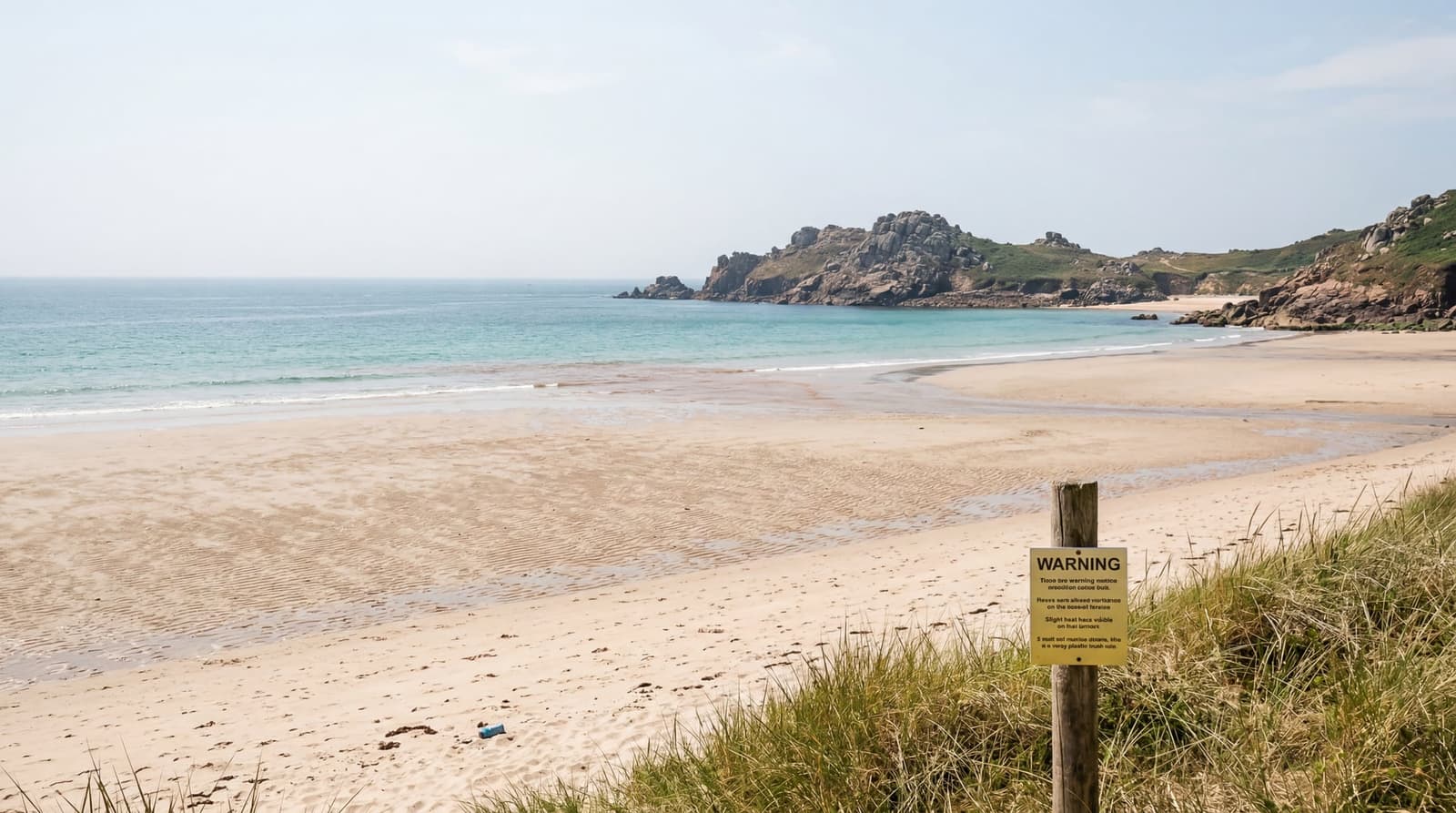
Officials blame rainfall runoff for 'poor' water quality at Plemont, Grouville, Havre des Pas and Victoria Pool, even as Jersey breaks its all-time May temperature record.
SpaceX's Starship V3 ends in planned Indian Ocean fireball, two days after $80B IPO filing
Flight 12 broke a seven-month launch drought and delivered most of its test goals. The timing, just 48 hours after SpaceX's S-1 hit the SEC, gave the spectacle a second audience: Wall Street.
Somerset's fox count just doubled in 10 days. That's a problem.
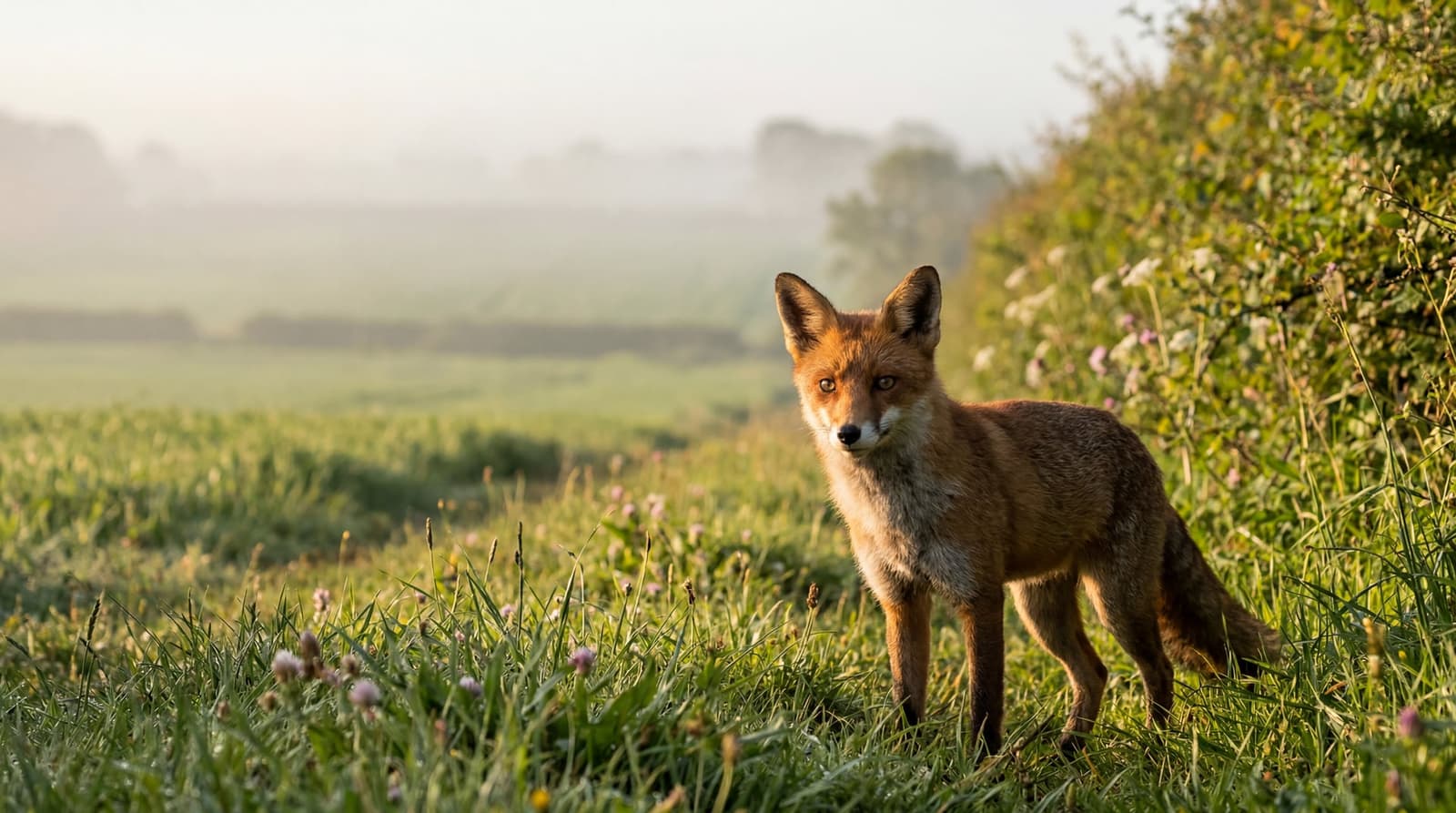
A county citizen science project logged more red foxes in a week and a half than official records typically capture in two years, exposing a structural blind spot in how Britain monitors its most familiar wildlife.
UK's River Wye gets a rights charter. Will polluters notice?
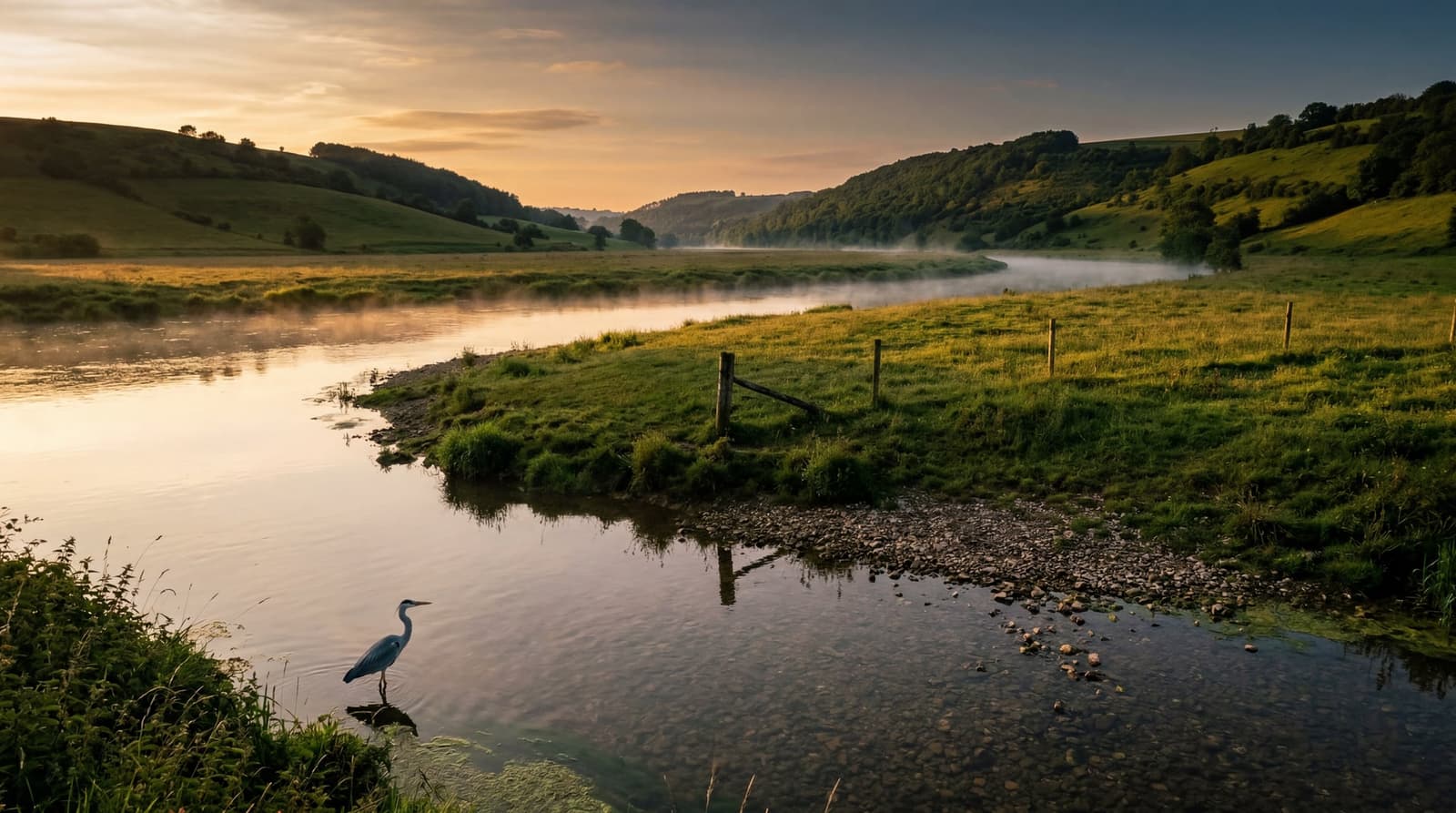
Herefordshire and Powys councils have adopted the first source-to-sea rights charter for a UK river. Campaigners and lawyers are already asking what it actually changes.
Keep Reading
Assyrian Christian Among 85,000 Prisoners Released in Iran Amid Coronavirus Pandemic

The race to shrink the astronaut gym before Mars
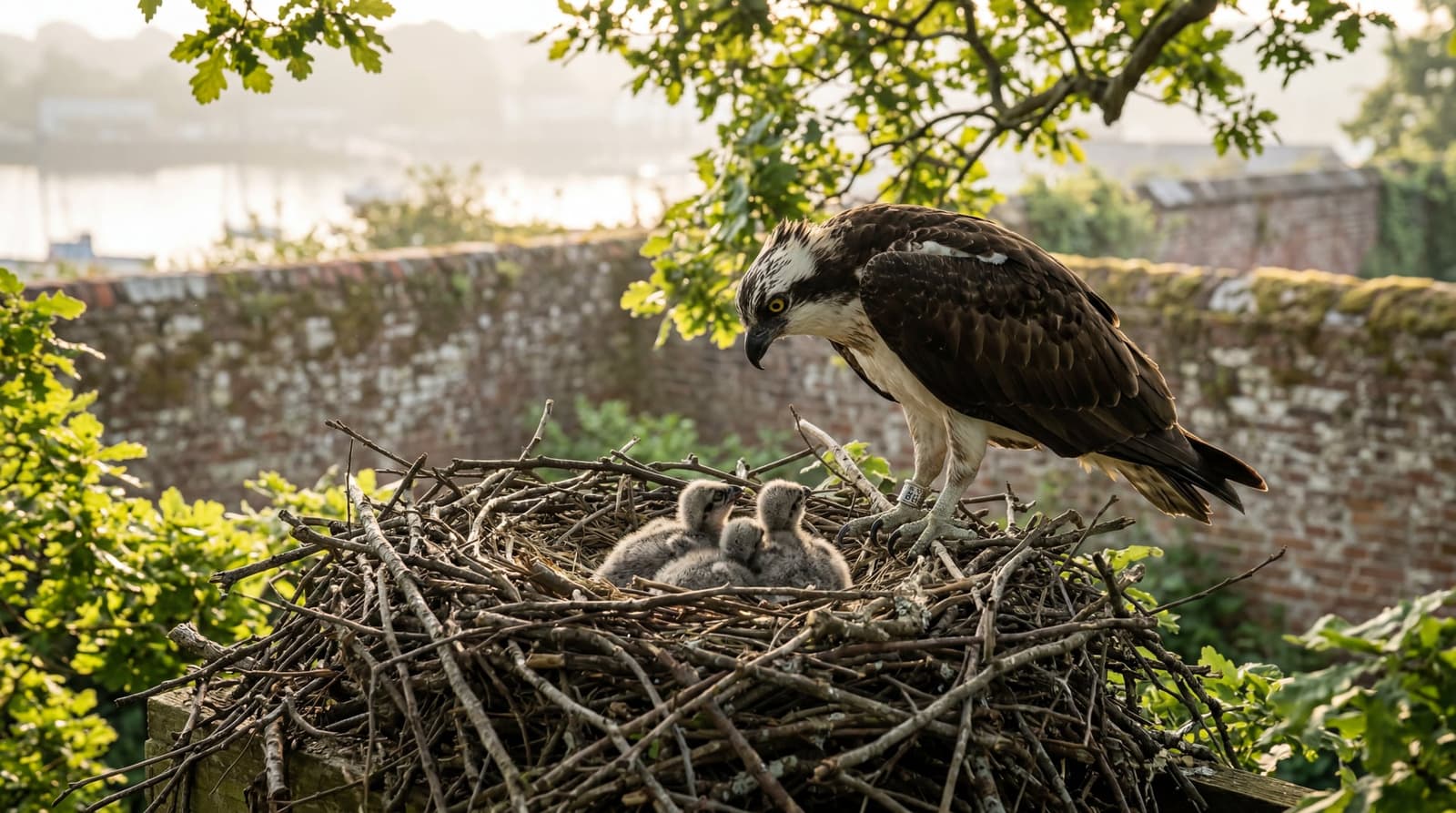
Rare four-chick osprey brood hatches in Dorset as southern England recolonisation accelerates

Six eggs used to cost £1. Here's why they're now £2.
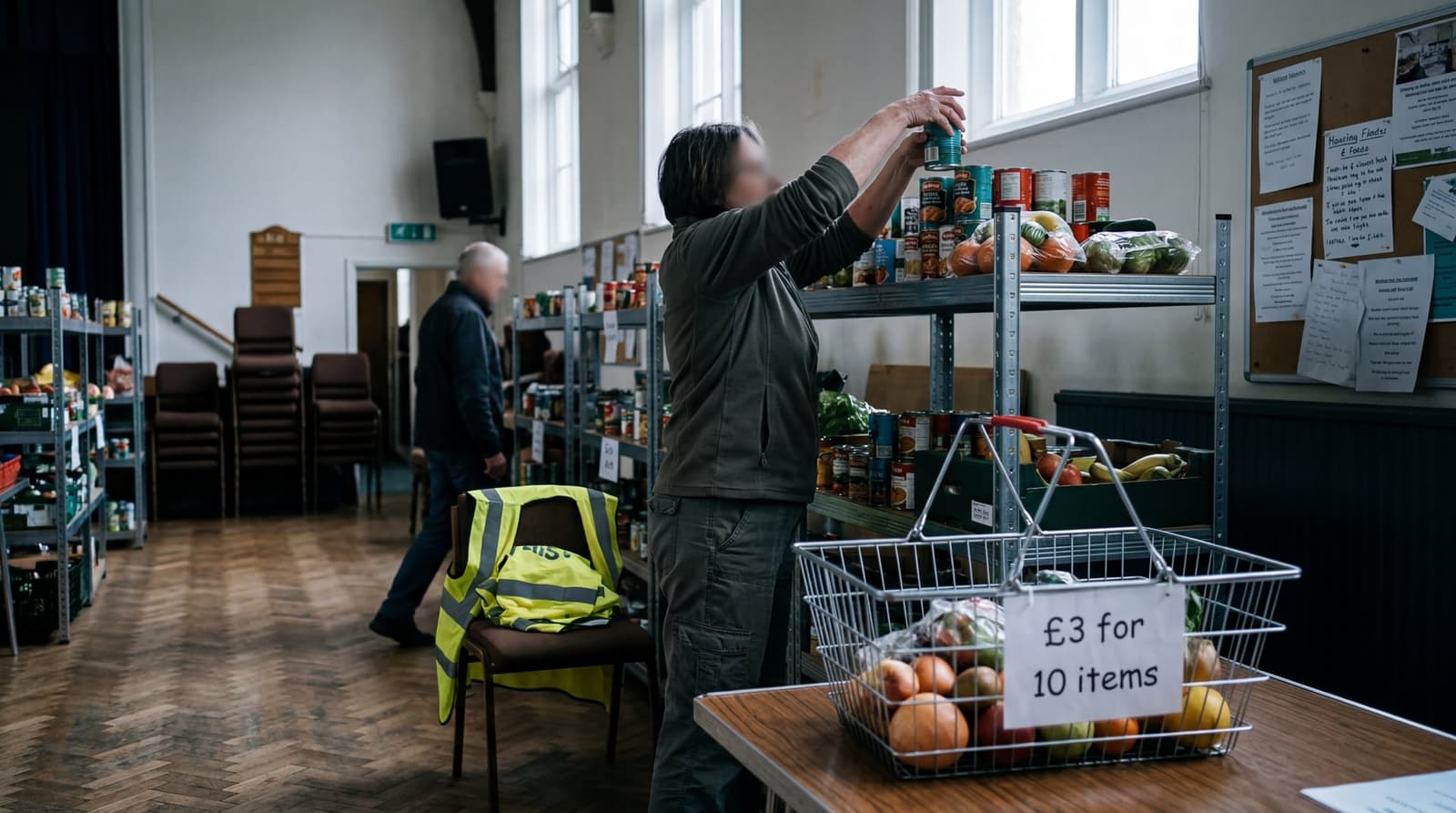
In Cambridge, a paycheck no longer keeps workers out of the food bank