




'If You Take a Stand for the Unborn, Prepare Yourself for a Lot of Abuse'
An anti-abortion campaigner describes the hostility activists say they face, as the abortion debate grows more polarized and both sides report harassment and intimidation.

A veteran anti-abortion campaigner has described what they call a punishing climate for activists who oppose abortion publicly, saying that anyone willing to take a stand for the unborn should brace for a steady stream of abuse. The remarks, delivered to supporters, capture one side of a debate that has grown sharper and more personal on both ends of the spectrum.
The claim is striking but not easily verified, and it sits inside a larger pattern in which activists on each side report harassment from the other. What is beyond dispute is that the abortion argument has become one of the most polarized in public life, with little common ground and a great deal of mutual distrust.
What the campaigner described
The campaigner, speaking from years of street outreach and public demonstration, said pro-life activists routinely face verbal hostility, online pile-ons and, in some cases, threats. Supporters of this view argue that the cultural weight in many institutions runs against them, leaving them feeling outnumbered and caricatured.
They framed the work as a matter of conscience rather than politics, casting the abuse as the cost of an unpopular conviction. Critics of the movement would dispute much of that framing, and that disagreement is itself part of the story. The point here is to report the claim accurately, not to adjudicate it.
A debate that has hardened on both sides
The broader context is a fight that has lost almost all of its middle ground. Pro-life advocates argue that abortion ends a human life and that the unborn deserve legal protection. Pro-choice advocates counter that the decision belongs to the pregnant person, and that restricting abortion endangers women's health, autonomy and safety. Each side accuses the other of extremism and bad faith.
Reports of hostility flow in both directions:
- Pro-life activists describe harassment at demonstrations, hostile confrontations and threats tied to their public stance.
- Clinic workers and pro-choice activists report intimidation, blockades and abuse outside facilities, sometimes escalating to violence.
- Both sides accuse the other of dehumanizing language that, they say, makes harassment feel justified.
- Online, the anonymity of social media has amplified the ugliest exchanges on every side.
The contested nature of these claims is exactly why attribution matters. Where one side sees principled witness, the other sees an attempt to shame and control. Reporting the dispute fairly means resisting the pull to declare a winner.
How the argument plays out in everyday life
The abortion debate does not stay confined to legislatures and clinics. It surfaces in schools, churches, families and workplaces, often colliding with adjacent culture-war fights over how children are taught about identity and the body. Those battles, including parental anger captured in coverage of a case where a young girl was said to be traumatized by lessons questioning the categories of boys and girls, share a common feature: deeply held convictions meeting an opposing worldview, with little appetite for compromise.
Religious belief is woven through much of the pro-life movement, though by no means all of it. That connection means the debate intersects with broader questions about faith in public life, including whether the long decline in religious affiliation is finally slowing, since the strength of organized religion shapes how loud and how organized the pro-life cause can be.
The cost of conviction, claimed and contested
What the campaigner is really describing is the personal toll of holding a divisive position in public. That toll is real for activists across the spectrum, even as each side tends to see only the abuse aimed at its own. The pro-life camp says it is targeted for defending the unborn; the pro-choice camp says it is targeted for defending women's rights. Both can point to genuine incidents.
None of this resolves the underlying moral question, which the country remains as far from settling as ever. What the remarks do illustrate is how thoroughly the debate has fused argument with identity, so that disagreement so easily curdles into contempt.
Our culture coverage follows these fault lines as they run through public life. The abortion debate, in particular, shows few signs of cooling, and the people on its front lines, whatever side they take, increasingly describe the same thing: a fight that has become as much about endurance as about persuasion.
Related stories
Assyrian Christian Among 85,000 Prisoners Released in Iran Amid Coronavirus Pandemic
Iran temporarily freed tens of thousands of prisoners as COVID-19 spread through its crowded jails, among them a member of the country's small Assyrian Christian minority.
Kashmir Gun Battle Kills at Least 7
A firefight in Indian-administered Kashmir left security personnel and militants dead, officials said, the latest deadly clash in a region transformed since New Delhi stripped its special status.
Gabrielle Union Jokes Zaya Wade Doesn't Trust Her or Dwyane Wade With Schoolwork
As lockdown turned living rooms into classrooms, the actress and her husband, the retired NBA star, found themselves outmatched by their teenager's homework, and they were happy to admit it.
Al Kaline, Tigers' Perennial All-Around All-Star, Is Dead at 85
Known to Detroit fans simply as Mr. Tiger, he played his entire 22-season career with one franchise, won a World Series, and stayed close to the team long after his playing days ended.
Keep Reading

Northern Ireland's rarest rainforest gets a 100-year reboot in Tyrone

Four Jersey beaches flunk bacteria tests as island bakes in record May heat

Six eggs used to cost £1. Here's why they're now £2.
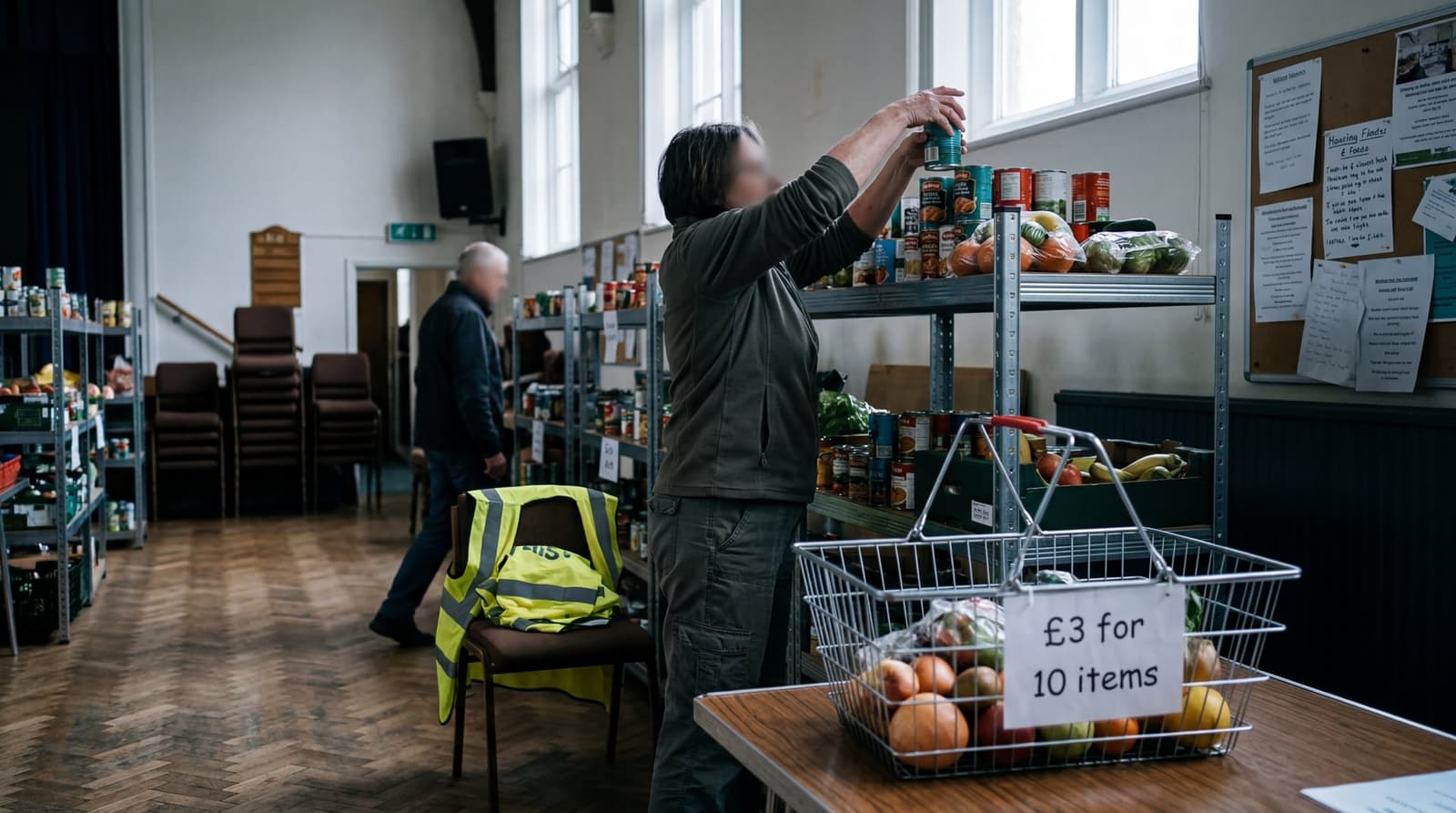
In Cambridge, a paycheck no longer keeps workers out of the food bank

Bionic arms for five-year-olds, a third thumb, and the 90% who get nothing