



Kashmir Gun Battle Kills at Least 7
A firefight in Indian-administered Kashmir left security personnel and militants dead, officials said, the latest deadly clash in a region transformed since New Delhi stripped its special status.

A gun battle in Indian-administered Kashmir left at least seven people dead, including members of the security forces and suspected militants, officials said. The clash, in one of the most heavily militarized regions in the world, added to a steady toll of violence that has continued even as much of the globe turned its attention to the coronavirus pandemic.
According to officials cited in local reports, the fighting began after a search operation in which troops moved on a location where militants were believed to be hiding. The exchange of gunfire that followed lasted for hours. Authorities did not immediately release a full accounting, and casualty figures in such operations are often revised as details emerge.
What officials described
Indian security officials said the operation was launched on a tip about armed fighters in the area. As is common in the region, the surrounding zone was cordoned off and communications were restricted while the clash unfolded. Officials said both security personnel and militants were among the dead, and that weapons were recovered at the scene.
Militant groups operating in Kashmir have at times claimed responsibility for attacks on Indian forces, while the government has long accused neighboring Pakistan of supporting the insurgency, an allegation Islamabad denies. Independent verification of accounts from the area is difficult because access for journalists and outside observers is tightly controlled.
A conflict with deep roots
Kashmir has been disputed since the partition of British India in 1947, with India and Pakistan each administering parts of the territory and both claiming it in full. The two countries have fought wars over it. An armed insurgency against Indian rule that intensified in the late 1980s has killed tens of thousands of people over the decades, by most estimates, including militants, security forces, and civilians.
The human cost has fallen heavily on ordinary residents. Frequent crackdowns, search operations, and clashes have shaped daily life for a generation. Rights groups have documented complaints of excessive force, while authorities have pointed to attacks on troops and civilians as justification for a heavy security presence.
The 2019 turning point
The backdrop to the current violence shifted dramatically in August 2019, when the Indian government revoked the special constitutional status that had given the region a degree of autonomy. The move, which split the former state into two federally administered territories, was accompanied by a sweeping security clampdown.
In the weeks and months that followed, authorities:
- Deployed additional troops across the Kashmir Valley
- Detained numerous local political leaders, including former chief ministers
- Imposed a prolonged communications blackout, restricting internet and phone access
- Limited movement and public gatherings under security orders
The government argued the changes would bring development and integrate the region more fully into the rest of the country. Critics, including opposition politicians and rights advocates, said the measures stripped residents of political voice and were imposed without their consent. Some of the restrictions were eased gradually, though limits on high-speed internet persisted well into 2020.
Civilians caught in between
For people living near operations like the one reported in this latest clash, the consequences extend beyond the immediate fighting. Residents have described curfews that interrupt work and schooling, homes damaged during cordon operations, and the lasting psychological strain of living amid recurring violence. Local economies built on tourism, agriculture, and crafts have suffered from instability and the periodic shutdowns.
The pandemic added another layer of hardship. Movement curbs meant to slow the virus overlapped with security restrictions already in place, leaving many residents managing two sets of constraints at once. Aid groups warned that the combination strained access to health care and supplies in parts of the region.
The latest clash is unlikely to be the last. Cycles of search operations, gun battles, and funerals have become a grim rhythm, and each incident tends to harden positions on all sides. Patterns of contested power and accountability echo across the broader region, from scrutiny of officials in neighboring Afghanistan over abuse allegations to the way governments handle dissent, as seen in the case of a detained rights advocate in China. Our culture section continues to follow these stories of conflict and the people living through them, where the official body counts rarely capture the full weight of what residents endure.
Related stories
Assyrian Christian Among 85,000 Prisoners Released in Iran Amid Coronavirus Pandemic
Iran temporarily freed tens of thousands of prisoners as COVID-19 spread through its crowded jails, among them a member of the country's small Assyrian Christian minority.
Gabrielle Union Jokes Zaya Wade Doesn't Trust Her or Dwyane Wade With Schoolwork
As lockdown turned living rooms into classrooms, the actress and her husband, the retired NBA star, found themselves outmatched by their teenager's homework, and they were happy to admit it.
Al Kaline, Tigers' Perennial All-Around All-Star, Is Dead at 85
Known to Detroit fans simply as Mr. Tiger, he played his entire 22-season career with one franchise, won a World Series, and stayed close to the team long after his playing days ended.
Is St. Corona the Patron Saint of Pandemics?
As the coronavirus spread, an early Christian martyr named Corona drew sudden attention, with people asking whether the saint had any historical link to plagues and disease.
Keep Reading
Northern Ireland's rarest rainforest gets a 100-year reboot in Tyrone
Four Jersey beaches flunk bacteria tests as island bakes in record May heat

Six eggs used to cost £1. Here's why they're now £2.
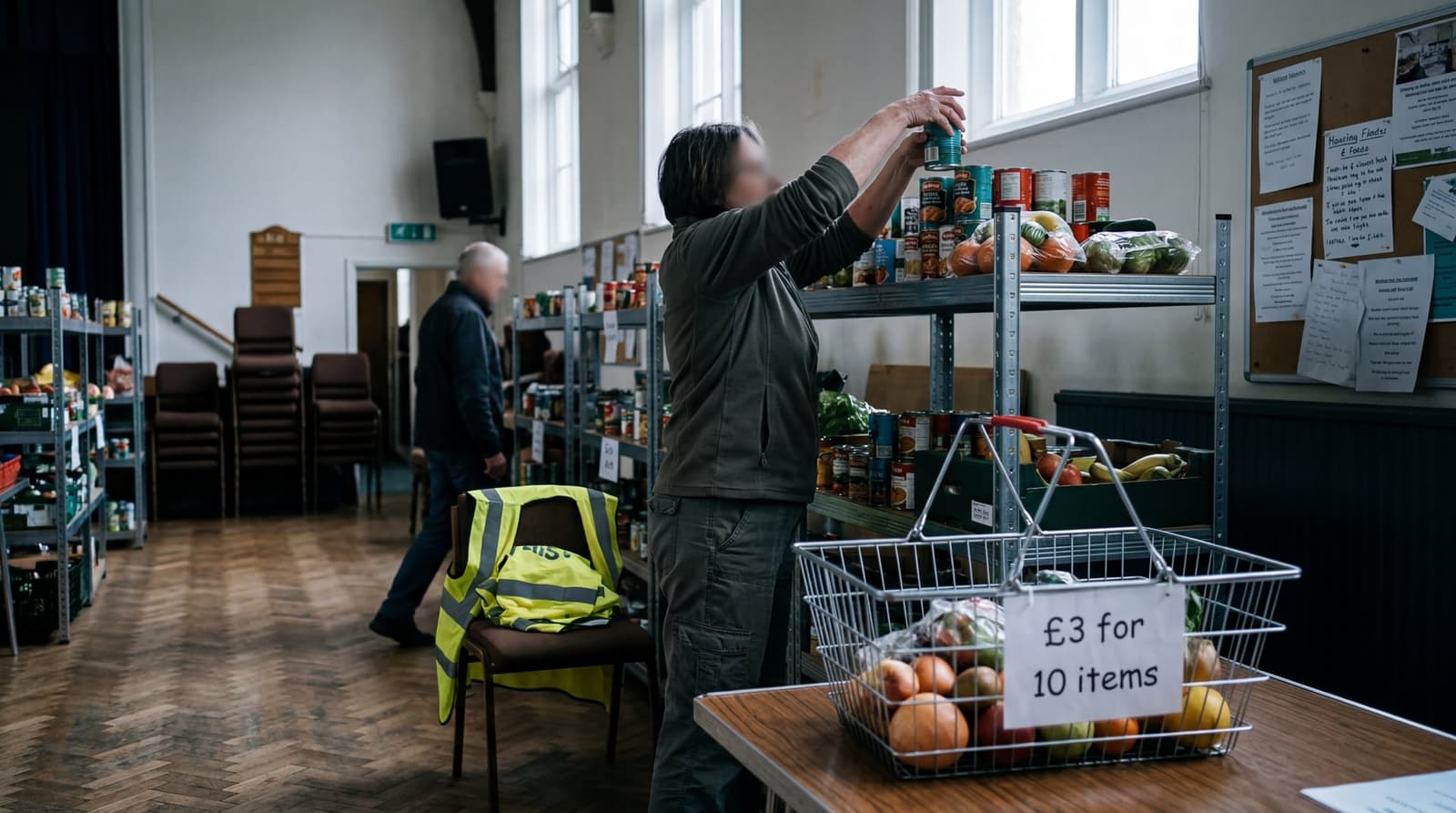
In Cambridge, a paycheck no longer keeps workers out of the food bank
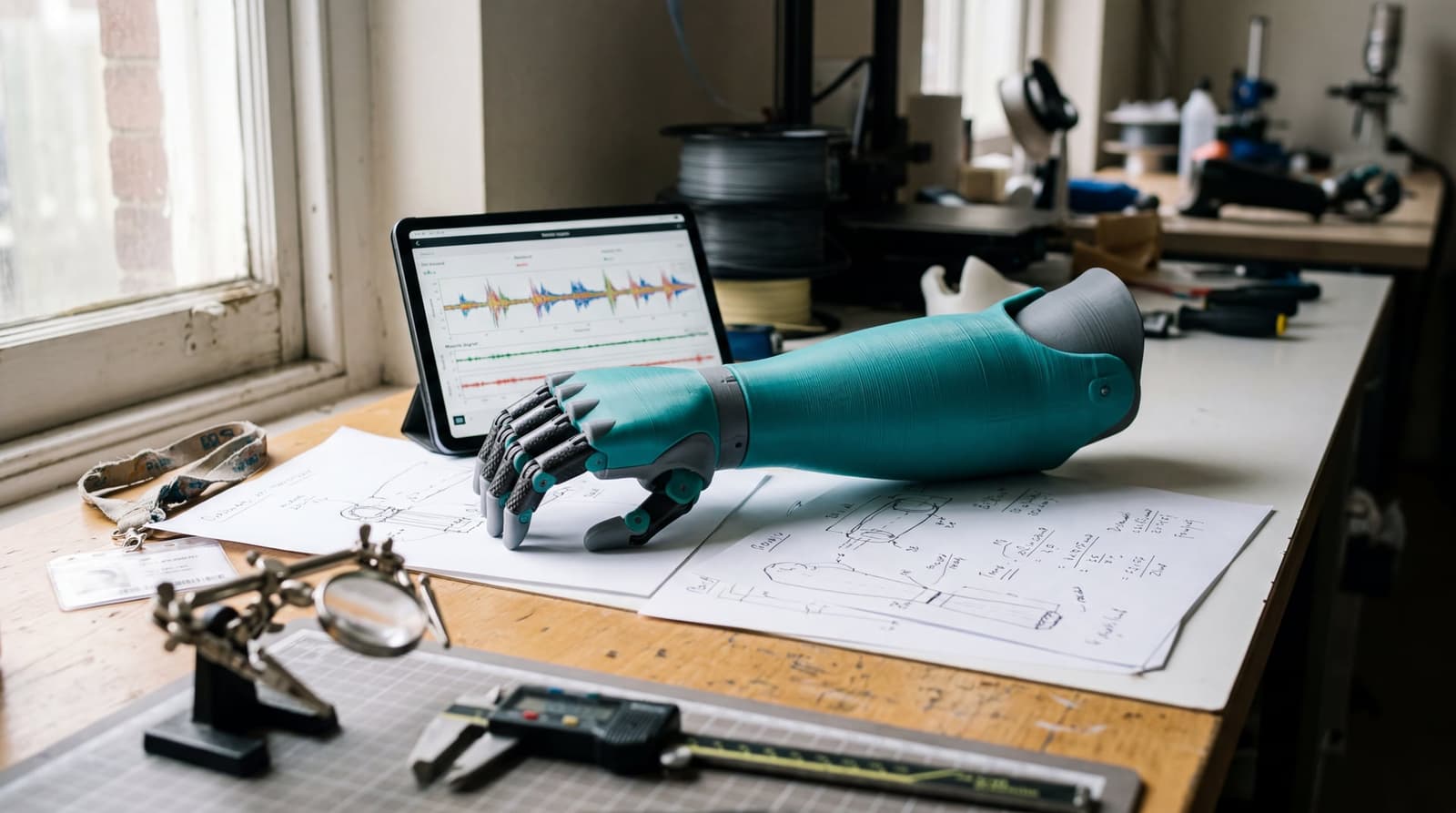
Bionic arms for five-year-olds, a third thumb, and the 90% who get nothing