





Silicon Valley CEO Steps Down Amid College Bribery Scandal
A prominent technology executive has resigned after being named in the federal college admissions case dubbed Operation Varsity Blues, putting boardroom governance and reputational risk back in the spotlight.

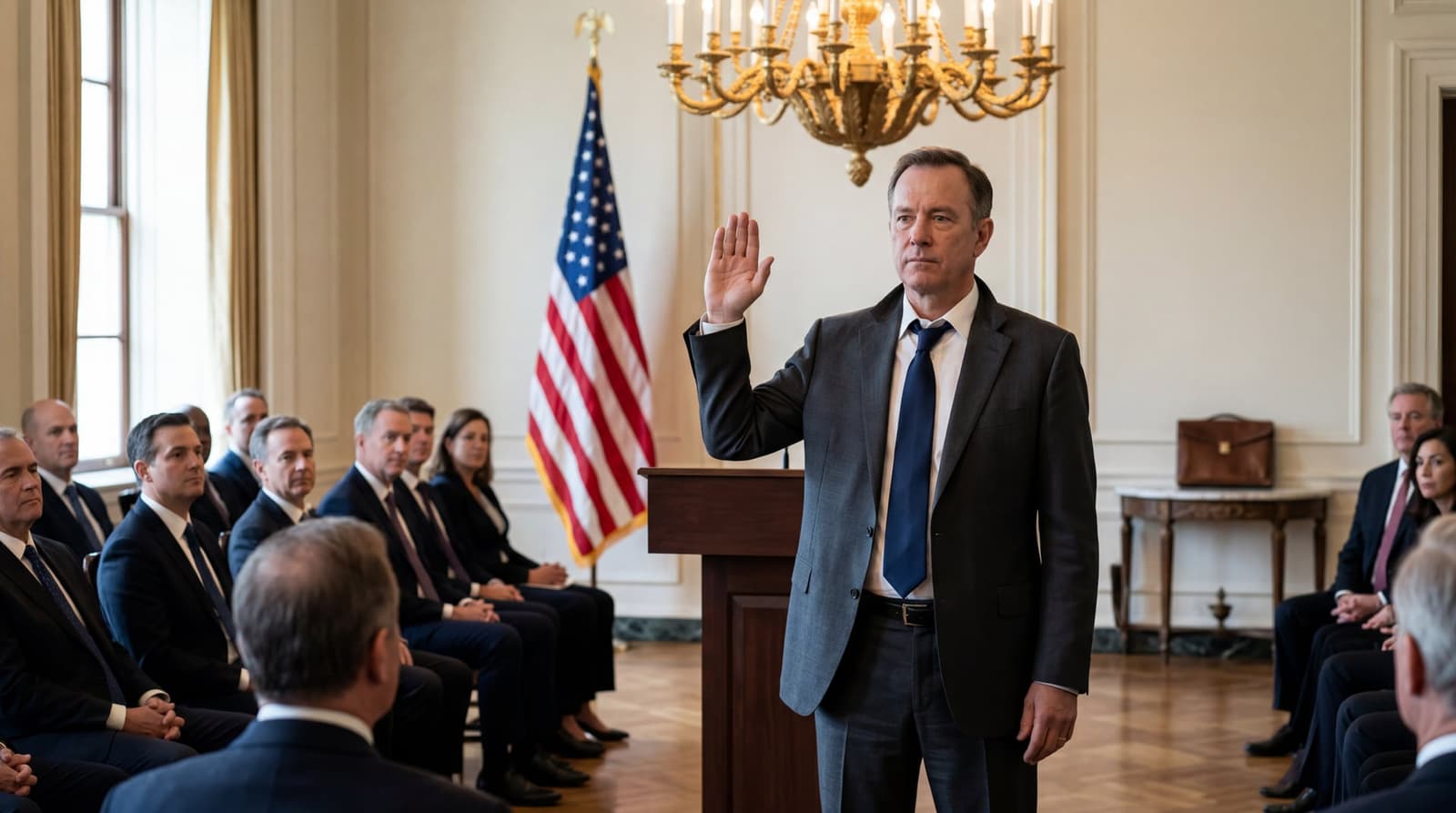
A Silicon Valley chief executive has stepped down within days of being named in the sprawling federal college admissions case that prosecutors call Operation Varsity Blues, a sign of how fast a personal indictment can turn into a company-wide problem. The executive was among dozens of wealthy parents accused of paying to rig their children's path into selective universities. The company announced the resignation in a short statement and said its board had accepted it, framing the move as in the firm's best interest.
Federal prosecutors allege the scheme funneled money through a sham charity and a college counselor who arranged inflated test scores and faked athletic credentials. The charges against the parents are allegations, and several have said publicly they intend to fight them. Still, the optics alone were enough to force a leadership change at the top of a growing technology firm, where investors and customers had been told a very different story about the person in charge.
Why The Board Moved So Fast
Corporate boards rarely wait for a verdict when a sitting CEO is publicly tied to a federal indictment. The calculation is reputational, not legal. A leader facing criminal charges, even unproven ones, becomes a distraction in every meeting with investors, partners, and recruits. Directors who hesitate risk looking like they are protecting one person over the company.
Governance specialists point to a familiar pattern in cases like this one:
- Boards activate a special committee, often staffed by independent directors, to weigh the executive's status.
- Outside counsel reviews the company's exposure and any disclosure duties to shareholders.
- Communications teams prepare for press coverage that will repeat the allegations for weeks.
- A successor or interim leader is lined up before any announcement goes public.
In this instance the resignation arrived quickly, which suggests the board had already concluded that staying would cost more than going. For coverage of the wider corporate world and how leadership shocks ripple through markets, our business desk tracks these stories as they develop.
A Scandal That Reached The C-Suite
What made the admissions case land so hard in business circles was the roster of people it touched. Alongside actors and lawyers, prosecutors named investors, a fashion designer, and several executives who run or have run companies. The accusation that successful, visible business leaders would pay bribes to get their children into school cut against the meritocratic image many of them had spent careers cultivating.
That tension matters for a reason beyond gossip. Customers and employees increasingly judge companies by the conduct of the people who lead them. An executive accused of cheating a public system invites questions about how the same person runs a private one. Boards understand that an indictment can bleed into hiring, partnerships, and sales, and they act to contain it.
The Cost Of Reputational Risk
Reputational damage is hard to price but easy to see. Deals stall. Recruiting slows. Investors who once wanted to be associated with a charismatic founder start asking for distance. The firm at the center of this resignation has not disclosed financial harm, and it may avoid lasting damage by moving early. But the episode is a reminder that the value tied up in a single leader is also a risk concentrated in one person.
Lessons For Other Executives And Boards
The case has prompted quiet conversations in other companies about what they would do if a top leader were suddenly named in a criminal matter. Directors are revisiting their bylaws, their morality clauses, and their crisis plans. Some are asking whether their disclosure practices would hold up under scrutiny if a comparable story broke about their own chief.
The admissions scandal is far from the first time the conduct of powerful people has forced a corporate reckoning. Industries from finance to pharmaceuticals have faced their own moments of accountability, including hard questions about how drug companies have approached underserved communities after years of neglect. Each episode reinforces the same governance lesson: a company is only as steady as the credibility of the people running it.
For the technology sector specifically, the resignation arrives during a period of heightened skepticism about founders and executives who once seemed untouchable. Investors have grown more willing to demand changes at the top, and employees have shown they will speak up when leadership conduct clashes with company values.
What happens next for the executive will play out in court, where the charges remain allegations to be tested by evidence. What happens next for the company is already underway. A new leader will inherit a workforce that watched its boss leave under a cloud, and a board that learned, in real time, how quickly a personal choice can become everyone's problem.
Related stories
Six eggs used to cost £1. Here's why they're now £2.
UK egg prices have doubled in four years despite record production. The real story isn't greedflation, it's how prices move down much slower than they move up.
In Cambridge, a paycheck no longer keeps workers out of the food bank
The UK's most unequal city is now feeding employed residents through subsidised food clubs, raising questions about whether wages or housing will ever catch up.
UK spends £25 on youth benefits for every £1 on jobs help, Milburn finds
The former Labour health secretary's interim NEET review lands on a government still bruised by last summer's welfare rebellion, and questions whether spending more on job schemes can fix a crisis now driven by mental…

Why your ice cream costs $6.49: a coconut, cocoa and corporate crisis
A record-hot summer pushed American ice cream prices to all-time highs. The deeper story runs through Philippine biodiesel mandates, West African droughts, and the breakup of the world's biggest ice cream company.
Keep Reading
Assyrian Christian Among 85,000 Prisoners Released in Iran Amid Coronavirus Pandemic

Northern Ireland's rarest rainforest gets a 100-year reboot in Tyrone

Four Jersey beaches flunk bacteria tests as island bakes in record May heat

Bionic arms for five-year-olds, a third thumb, and the 90% who get nothing

Frasers rebrands Castleford outlet 'Leeds'. The real story is a credit product.