VAT cut on theme parks and kids' meals: who actually pockets the £300m?
Chancellor Rachel Reeves has slashed VAT to 5% on UK family attractions and children's meals for ten weeks this summer. The catch: operators decide whether to pass it on.

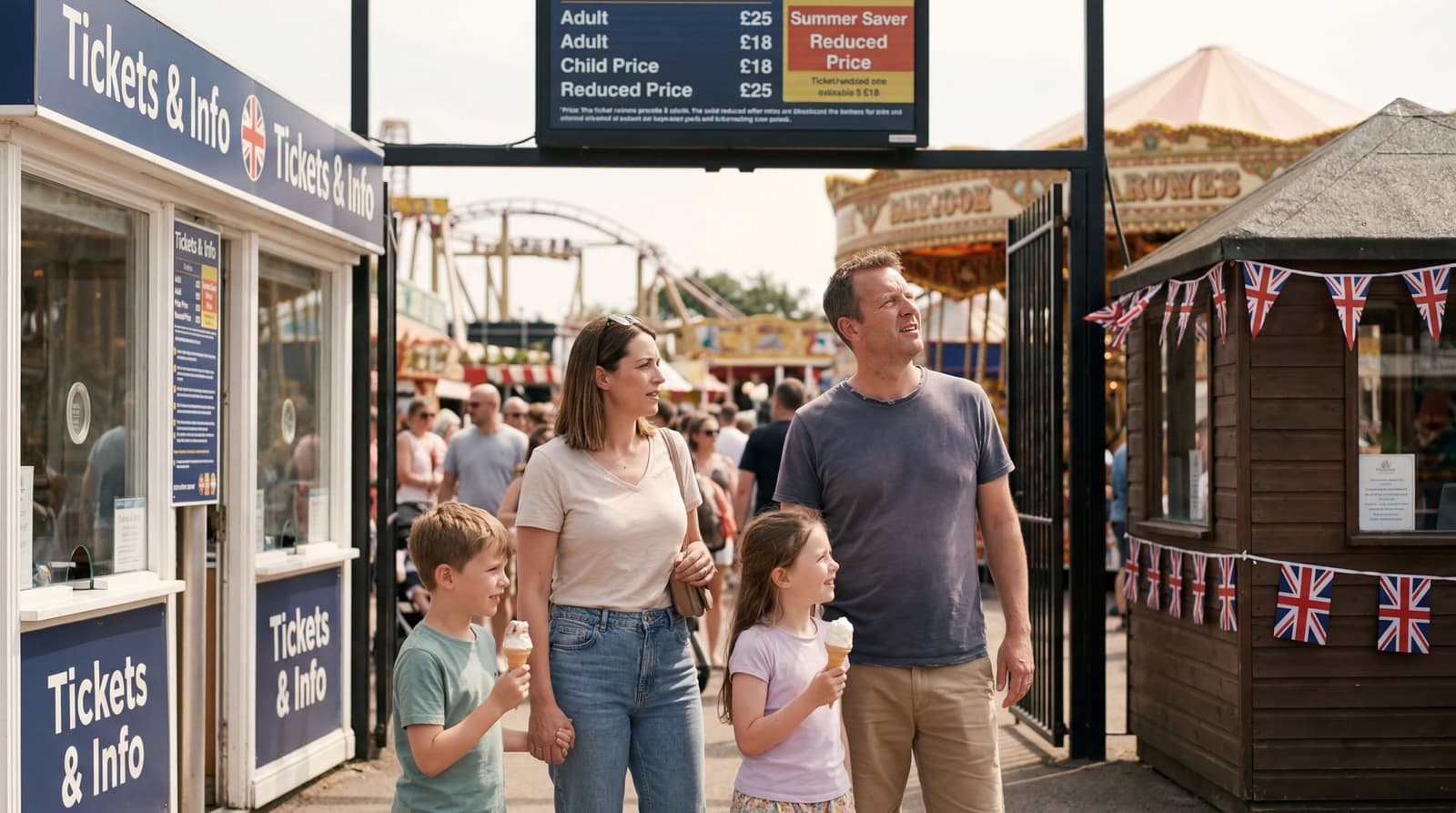
Chancellor Rachel Reeves on Wednesday cut VAT from 20% to 5% on admission tickets to UK theme parks, zoos, museums, fairs and soft play centres, and on children's meals in restaurants and cafés, in a temporary intervention running from 25 June to 1 September 2026. The reduced rate also covers children's tickets to cinemas, concerts and theatre. The Treasury has costed the headline measure at roughly £300 million.
The move is the centrepiece of what Reeves branded the 'Great British Summer Savings' package, a £1.8 billion bundle over six years that also includes free August bus travel for children aged 5–15 in England, a fuel duty freeze, and suspended import tariffs on more than 100 food categories. Part of the funding comes from closing a tax loophole used by oil and gas multinationals through reforms to the foreign branches exemption, the BBC reported.
"This will apply to ticket prices for both adults and children, covering attractions such as fairs, theme parks, zoos and museums," Reeves told the Commons, according to PA copy carried by Yahoo Finance. Prime Minister Sir Keir Starmer backed the package, saying every family should "enjoy the summer without having to think about the pressures of the cost of living."
The scheme's calendar is deliberate. It opens as Scottish schools break up and closes as pupils in England, Wales and Northern Ireland return to class, bracketing the full UK summer holiday window in a single ten-week discount.
The catch nobody is putting on the leaflets
Here is what most of the coverage has glossed over: the discount is not mandatory. HMRC will let operators charge VAT at 5% on qualifying sales, but nothing in the rules forces them to drop their shelf prices. A theme park that keeps its £45 gate ticket exactly where it is will simply book a fatter margin on each sale.
That matters because the hospitality and attractions sector is under acute pressure. The Federation of Small Businesses says 94% of small hospitality operators have reported rising costs over the past three months, and 35% expect to contract over the next year.
Tina McKenzie, Policy Chair, Federation of Small Businesses
For a chain restaurant currently losing money on every kids' meal it sells at £6.95, the temptation to pocket the 15-point VAT gap rather than rebate it at the till is obvious. Treasury officials privately concede the pass-through rate during the 2020–22 pandemic cut for hospitality was patchy, with chains and independents splitting the saving between price cuts and margin recovery in roughly equal measure.
A £10 saving against a £209 bill
The second hole in the package is what's not in it. The household energy price cap is forecast to rise by £209 a year from July, following the closure of the Strait of Hormuz and a spike in global gas prices tied to the Iran war. Reeves announced no fresh intervention on energy bills, citing 'targeted and temporary' contingency planning instead.
Helen Miller, director of the Institute for Fiscal Studies, estimated the wider package will deliver an "average saving of around £10 per UK household," according to the BBC. That is roughly 5% of the looming energy cap increase, before factoring in any of the package that operators decline to pass on.
William Yarwood, campaigns director at the TaxPayers' Alliance, was blunter, telling GB News that "the British summer has already been destroyed by Rachel Reeves" and calling the scheme "deluded" given the scale of structural pressures on housing, energy and childcare.
UKHospitality's longer game
The most interesting political reaction came from the trade body that has lobbied hardest for a VAT cut. UKHospitality chief executive Kate Nicholls welcomed the move, but pointedly refused to treat it as the destination.
It's good to see the Government recognise the importance of a lower rate of VAT for hospitality as the quickest and simplest way to lower prices and boost consumer confidence. This should now be viewed by Government as a down-payment on a wider shift to a lower VAT rate for the entire hospitality sector, to bring us in line with Europe.
Kate Nicholls, Chief Executive, UKHospitality (Restaurant Online)
The UK's standard 20% VAT rate is one of the highest applied to hospitality in Europe, where competitor countries average around 10% and some sit as low as 7%. With three pubs or restaurants a day closing in 2026 so far, Nicholls is using the summer scheme to reframe the politics ahead of the autumn Budget: not 'thank you for the £300m,' but 'now make it permanent.'
Michelle Ovens, chief executive of Small Business Britain, welcomed the children's meals element specifically as a boost for independent operators competing with chains on family bookings.
What's actually in the package
Beyond the VAT cut, Reeves bundled in several smaller measures:
- Free local bus travel for children aged 5–15 in England throughout August
- A 10p-per-mile uplift to tax-free business mileage rates, backdated to April 2026
- A fuel duty freeze
- Suspended import tariffs on more than 100 food product categories, including biscuits, chocolate, dried fruit and nuts
- A £350m critical chemicals resilience fund
- A £120m support package for the ceramics sector
Reeves cited Q1 2026 GDP growth of 0.6% and April inflation at 2.8% as evidence the economy can absorb the giveaway, though analysts have warned inflation could climb toward 4% later in the year if the Iran conflict continues to disrupt energy markets. The Office for Budget Responsibility will provide final costings at the next Budget.
The political read
The announcement lands after Reeves' bruising welfare reform climbdown and amid renewed speculation about the Prime Minister's future. The 'Great British Summer Savings' branding is an explicit attempt to retake the cost-of-living narrative with a consumer-facing giveaway funded by a corporate revenue-raiser, the pattern Labour has now used repeatedly.
Whether families notice depends on a question Whitehall cannot answer from a spreadsheet: how many theme parks, zoo operators and high-street chains will actually print new prices on 25 June, and how many will quietly keep the difference.
Related stories
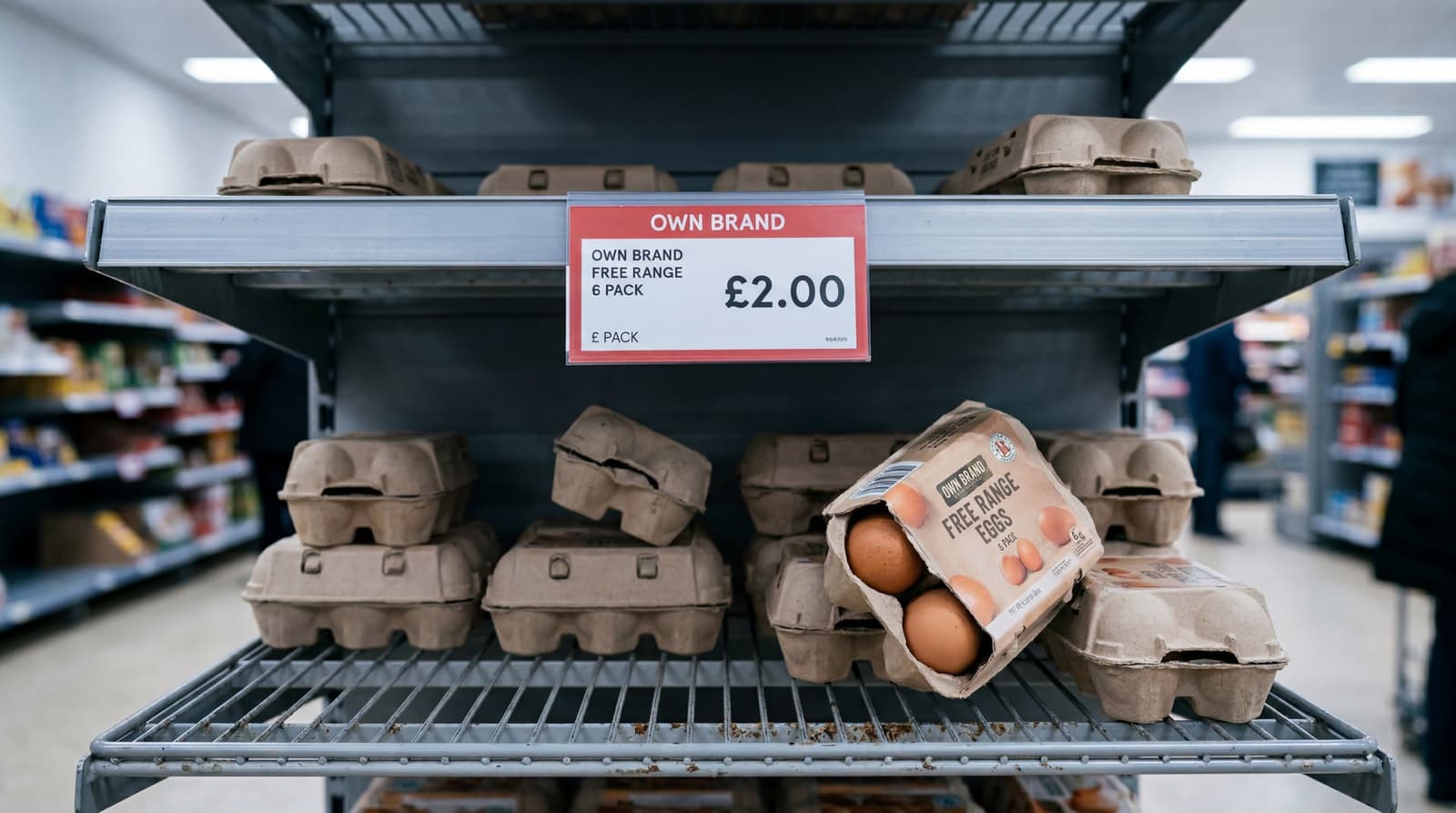
Six eggs used to cost £1. Here's why they're now £2.
UK egg prices have doubled in four years despite record production. The real story isn't greedflation, it's how prices move down much slower than they move up.
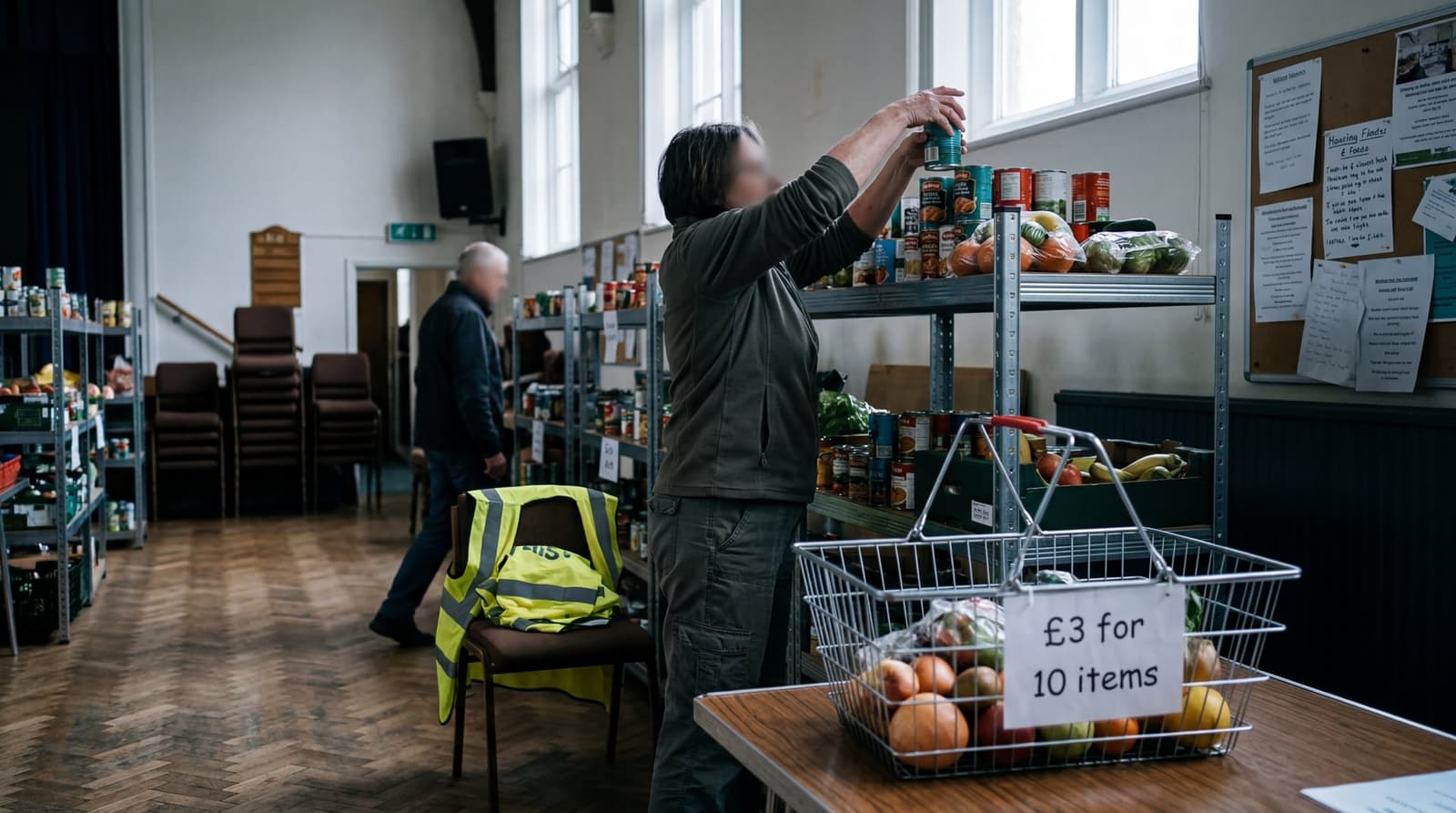
In Cambridge, a paycheck no longer keeps workers out of the food bank
The UK's most unequal city is now feeding employed residents through subsidised food clubs, raising questions about whether wages or housing will ever catch up.
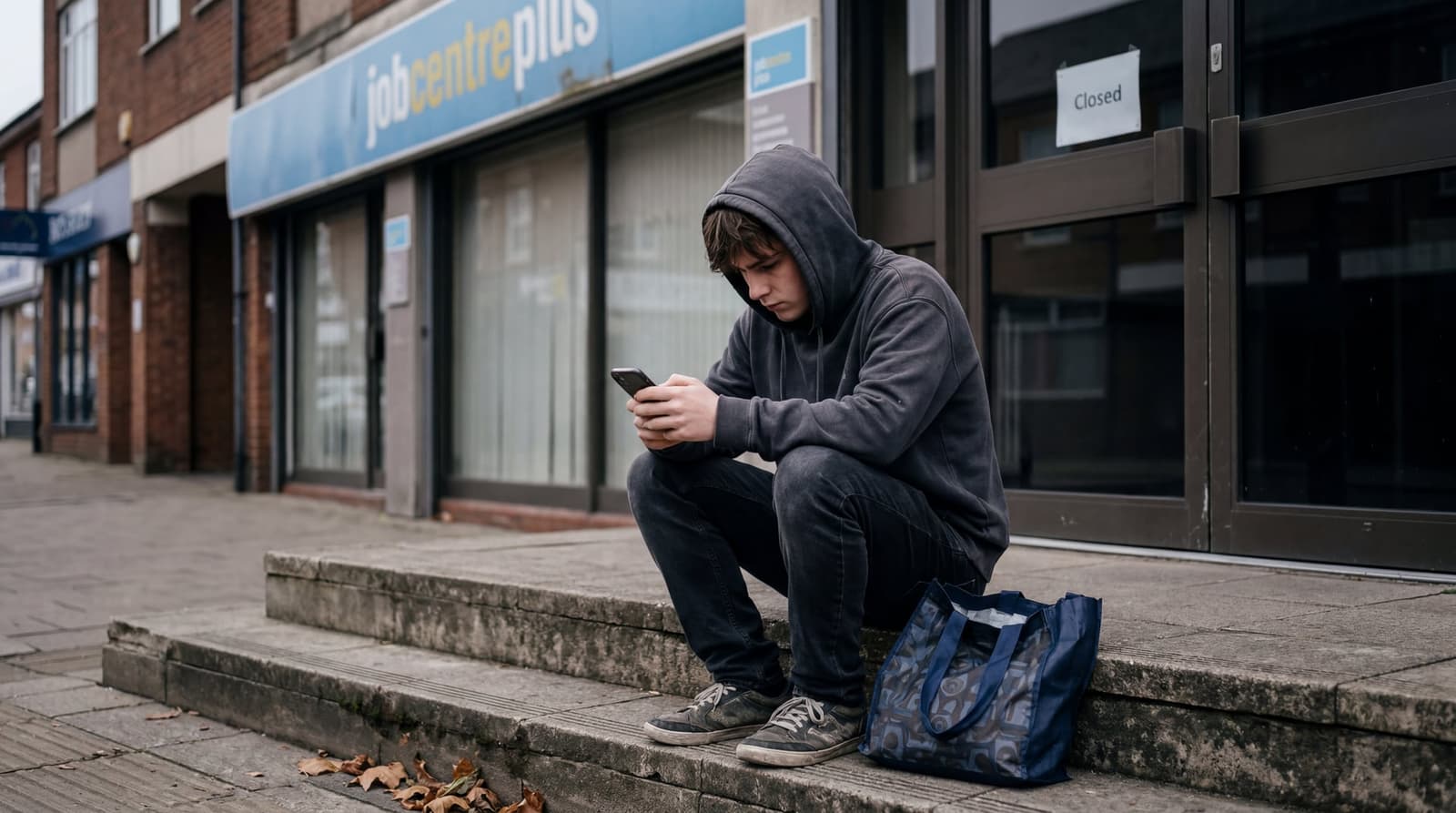
UK spends £25 on youth benefits for every £1 on jobs help, Milburn finds
The former Labour health secretary's interim NEET review lands on a government still bruised by last summer's welfare rebellion, and questions whether spending more on job schemes can fix a crisis now driven by mental…
Why your ice cream costs $6.49: a coconut, cocoa and corporate crisis
A record-hot summer pushed American ice cream prices to all-time highs. The deeper story runs through Philippine biodiesel mandates, West African droughts, and the breakup of the world's biggest ice cream company.
Keep Reading
Assyrian Christian Among 85,000 Prisoners Released in Iran Amid Coronavirus Pandemic

Northern Ireland's rarest rainforest gets a 100-year reboot in Tyrone
Four Jersey beaches flunk bacteria tests as island bakes in record May heat
Bionic arms for five-year-olds, a third thumb, and the 90% who get nothing
Frasers rebrands Castleford outlet 'Leeds'. The real story is a credit product.