





UK food tariff cut works out to 10p off the weekly shop
Chancellor Rachel Reeves billed the £150m suspension as cost-of-living relief. The Food and Drink Federation's own maths put the household benefit at about £5.20 a year.

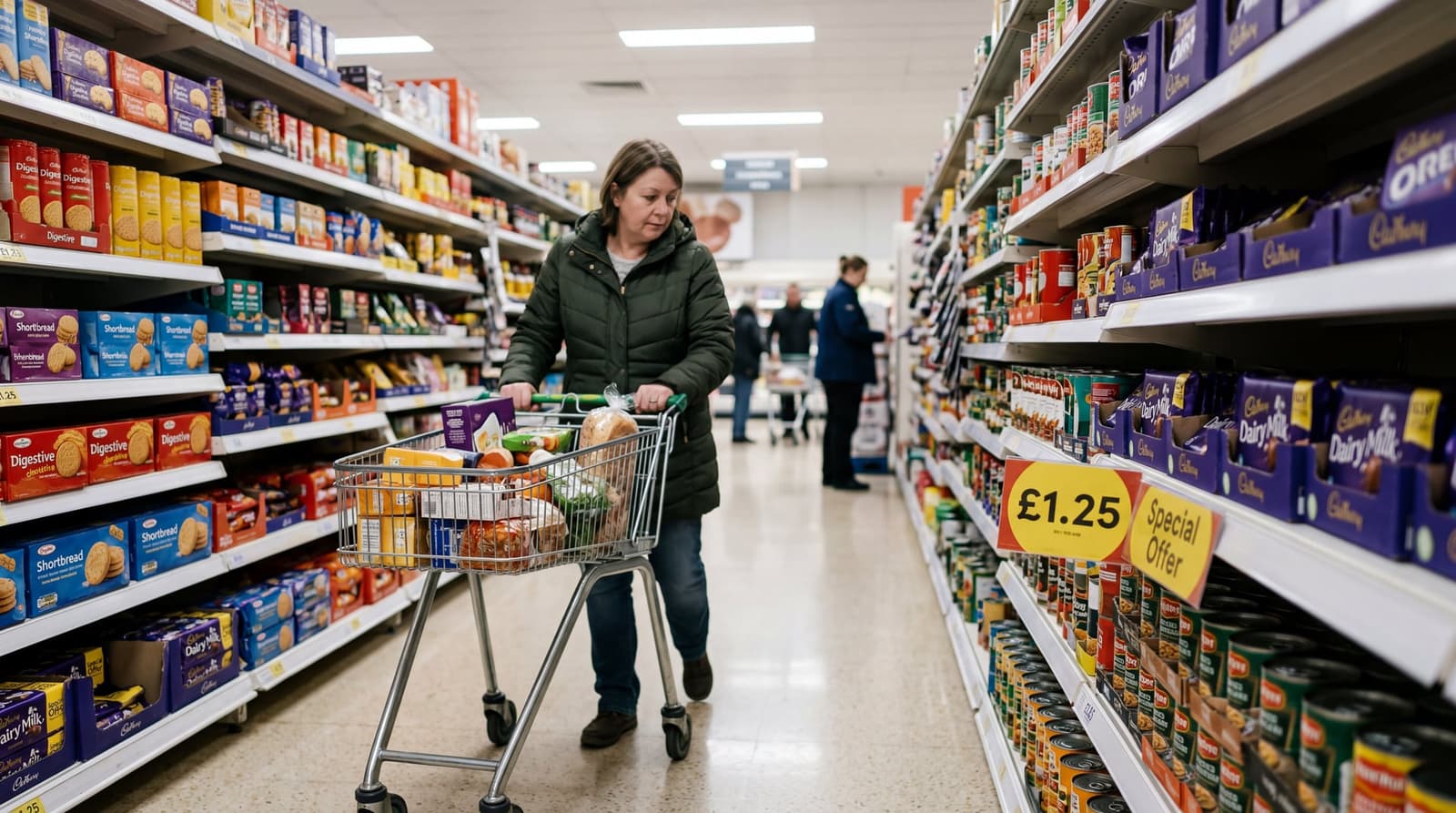
UK Chancellor Rachel Reeves on Thursday suspended import tariffs on more than 100 food and drink products, from chocolate and biscuits to dried fruit, nuts and baked beans, in a package the Treasury says will save consumers more than £150 million a year. Divided across the country's roughly 28 million households, that headline figure is worth about £5.20 each, or 10p off the weekly shop, according to the Food and Drink Federation (FDF).
The tariff cuts are the centrepiece of a wider "Great British Summer Savings" announcement responding to a fresh inflation shock from the Iran war and the closure of the Strait of Hormuz. The package also includes free August bus travel for children aged 5 to 15 in England, a VAT cut from 20% to 5% on summer attractions and children's meals out, a fuel-duty freeze and a 10p-per-mile increase in tax-free business mileage, the government said.
The full product list is due the week of 26 May. The Treasury estimates the cost to the exchequer at around £40 million, paid for in part by rewriting how foreign branch profits of UK oil and gas companies are taxed, The National reported.
The number behind the number
The political framing is muscular. "My number one priority is protecting households from rising costs," Reeves said in the Treasury's statement. Telling MPs she expected supermarkets to pass on every penny, she warned that the Competition and Markets Authority would get new powers to act against profiteering.
The arithmetic is harder to dress up. £150 million spread across about 28 million UK households is roughly £5.20 a year. The FDF's own translation, reported by ITV News, is about 10p off a weekly grocery bill. The Institute for Fiscal Studies puts the entire summer package at closer to £10 per household.
That is set against a food inflation outlook the Bank of England has told firms could hit 6% to 7% by year-end, with the FDF warning of close to 10%. Food inflation ran at 3% in April, above headline CPI of 2.8%.
Retailers and manufacturers push back
The trade bodies that actually sell and make the food are unimpressed. Andrew Opie, director of food and sustainability at the British Retail Consortium, said the move would not come close to offsetting the cost pressures supermarkets face.
While any assistance is welcome, cutting tariffs alone will barely touch the sides in offsetting the rising costs supermarkets face.
Karen Betts, chief executive of the FDF, argued the Treasury has aimed at the wrong target by zeroing tariffs on finished imported goods rather than the raw ingredients British manufacturers buy. "This risks benefiting overseas manufacturers at the expense of our domestic food system," she told City AM, calling for action on "the root causes of food inflation."
This is the second tranche of tariff suspensions in a month. An April round covered pasta, juices, tuna, oranges and peaches through to the end of 2028, with the Treasury projecting £100 million to £400 million in annual consumer benefit, The Grocer reported. Combined, the two rounds could shave £250 million to £550 million off the national food bill, still only a few pounds per household per year.
A U-turn on price caps
The tariff move follows a politically bruising week. The Treasury had floated voluntary price caps on around 20 essentials including eggs, bread and milk. Supermarkets rejected the idea outright on 20 May. M&S chief executive Stuart Machin called the proposal "preposterous," and Bank of England governor Andrew Bailey publicly questioned whether such a scheme could be sustained.
Reeves pivoted within 24 hours to tariffs plus CMA enforcement, a less interventionist instrument that does not require retailer cooperation. "I will not tolerate any company exploiting the current situation to make excess profits at consumers' expense," she told MPs, according to ITV.
North of the border, the Scottish government is going the other way. Ministers in Edinburgh are consulting on mandatory price ceilings covering up to 50 staples, a far more interventionist regime than Westminster has been willing to contemplate.
Politics, not pounds
For a Labour government bruised by the recent local elections and facing an autumn energy price cap rise of around £209, the appeal of a visible food-price announcement is obvious. Prime Minister Sir Keir Starmer framed the package as "putting money back into people's pockets and making life that bit easier," in a statement carried by AJ Bell.
Whether shoppers notice 10p a week is another question. The package leans on three implicit bets:
- That supermarkets will pass through the tariff cut rather than absorb it into margin.
- That the CMA's new powers will be credible enough to deter profiteering.
- That voters judge the government on intent and breadth of action, not the per-household pound figure.
Reeves has ruled out a Truss-style universal energy bailout, preferring to wait until September before finalising targeted winter support. Until then, the cost-of-living story will be told in biscuits, bus tickets and VAT on theme-park tickets, a politics of small sums presented as a serious answer to a serious squeeze.
Related stories
Six eggs used to cost £1. Here's why they're now £2.
UK egg prices have doubled in four years despite record production. The real story isn't greedflation, it's how prices move down much slower than they move up.
In Cambridge, a paycheck no longer keeps workers out of the food bank
The UK's most unequal city is now feeding employed residents through subsidised food clubs, raising questions about whether wages or housing will ever catch up.
UK spends £25 on youth benefits for every £1 on jobs help, Milburn finds
The former Labour health secretary's interim NEET review lands on a government still bruised by last summer's welfare rebellion, and questions whether spending more on job schemes can fix a crisis now driven by mental…

Why your ice cream costs $6.49: a coconut, cocoa and corporate crisis
A record-hot summer pushed American ice cream prices to all-time highs. The deeper story runs through Philippine biodiesel mandates, West African droughts, and the breakup of the world's biggest ice cream company.
Keep Reading
Assyrian Christian Among 85,000 Prisoners Released in Iran Amid Coronavirus Pandemic

Northern Ireland's rarest rainforest gets a 100-year reboot in Tyrone

Four Jersey beaches flunk bacteria tests as island bakes in record May heat

Bionic arms for five-year-olds, a third thumb, and the 90% who get nothing
Frasers rebrands Castleford outlet 'Leeds'. The real story is a credit product.