




UK borrows £24.3bn in April as gilt premium and Iran war bite
Record debt-interest costs of £10.3 billion drove the worst April deficit since the pandemic, as bond markets price in a Starmer leadership crisis.

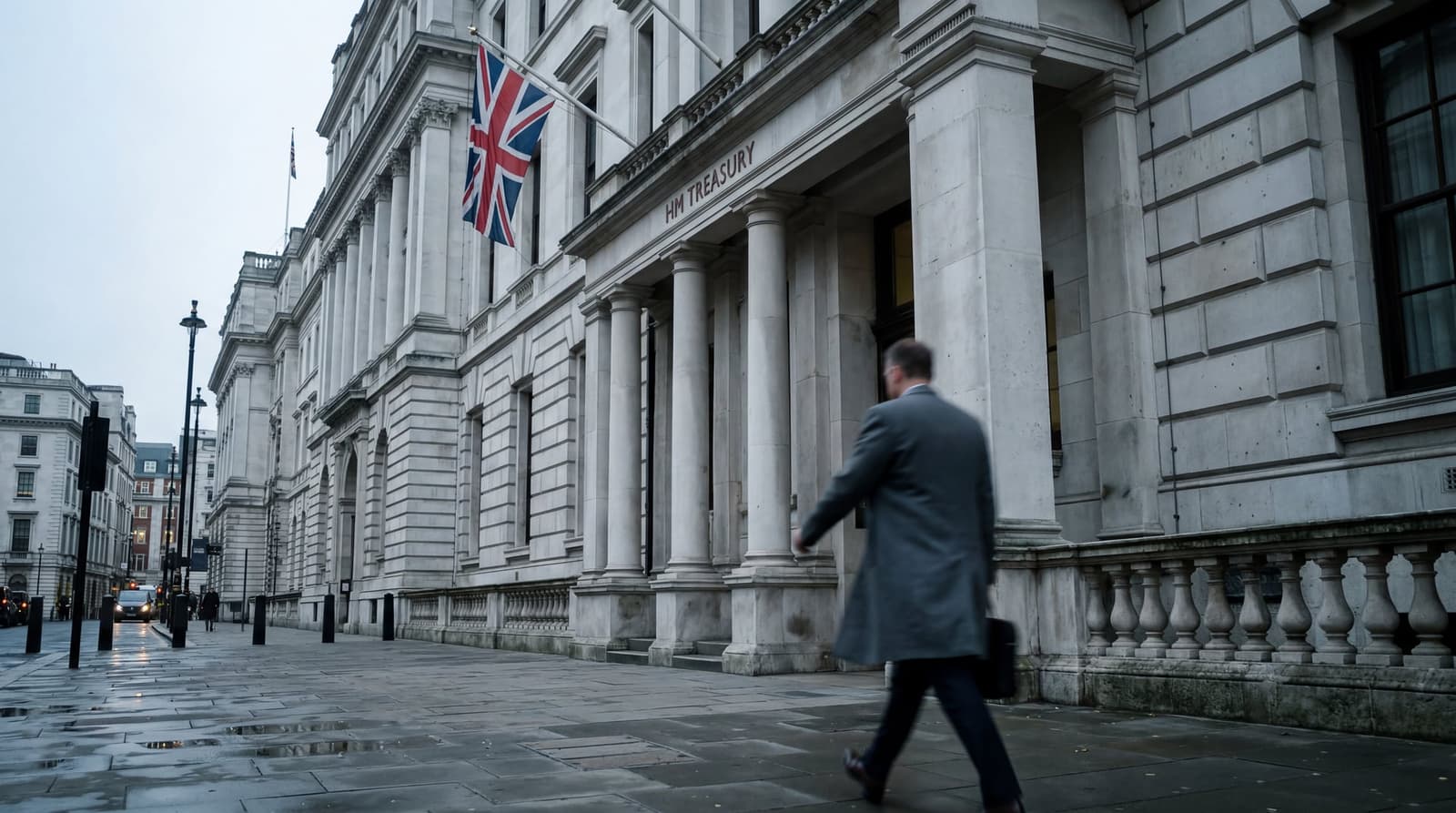
The UK government borrowed £24.3 billion in April, the highest opening-month figure since the pandemic year of 2020 and £4.9 billion more than the same month a year earlier, the Office for National Statistics said on Thursday.
The number overshot the Office for Budget Responsibility's £20.9 billion forecast by £3.4 billion, according to the ONS release reported by the BBC. Debt interest payments alone hit £10.3 billion, a record for the start of any financial year, as inflation fed through to index-linked gilts and yields on UK government debt climbed to multi-decade highs.
Separate ONS data published the same morning showed retail sales volumes fell 1.3% in April, more than double the 0.6% decline economists had penciled in. The two releases together sketch a picture the Treasury did not want: a consumer pulling back, a fiscal position deteriorating, and a bond market charging the government a political risk premium.
The number behind the number
What is unusual about April's deficit is not the spending side. Yes, government spending rose 6.5% year-on-year while receipts grew just 2.9%, according to figures cited by RTÉ. But the ONS also revised down full-year 2025/26 borrowing by £3 billion to £129 billion, or 4.2% of GDP, the lowest reading since before Covid.
The story is the cost of carrying the debt the country already has. April's £10.3 billion interest bill was £900 million higher than a year earlier, and it landed in a month when 10-year gilt yields touched 5.137%, an 18-year high. Twenty- and 30-year gilts are trading at levels last seen in 1998.
That estimate, given to Inkl, would on its own consume two-thirds of the £22 billion of fiscal headroom Chancellor Rachel Reeves clawed back at the November Budget. It is a mechanical hit, not a policy choice.
A political risk premium
Markets are not pricing UK debt on fundamentals alone. They are pricing Westminster.
Labour's heavy losses in the early-May local elections triggered resignation calls from more than 70 of its own MPs. Former Health Secretary Wes Streeting quit. Manchester mayor Andy Burnham, viewed by traders as more willing to borrow, is positioning a leadership bid through a Makerfield by-election, with CNBC reporting that his platform implies roughly £40 billion in additional borrowing for housing and infrastructure. Betting markets imply an 80% chance Prime Minister Keir Starmer is replaced by year-end, according to RSM.
That is the context in which gilt investors are demanding more yield. Every basis point feeds straight into the Treasury's interest bill. The 2022 Truss mini-budget shock is the comparison being made in trading rooms, even if the underlying causes differ.
Grant Fitzner, the ONS chief economist, kept his commentary clinical. "Borrowing this month was substantially higher than in April last year and although receipts increased compared with April 2025, this was more than offset by higher spending on benefits and other costs," he said in a statement carried by Business Matters.
Shadow Chancellor Mel Stride was less restrained, noting that "debt interest spending was the highest of any April on record."
The Iran war shows up at the pump
The second ONS release helps explain why the consumer is also feeding the gloom. Motor fuel sales volumes fell 10.2% in April, the largest drop in that category since November 2020.
Motorists had stocked up in March, when prices spiked after the outbreak of the Iran war. Petrol this week reached 158.52p a litre, the highest since the conflict began. April was the hangover.
After strong growth last month, motor fuel sales fell in April, with evidence suggesting motorists were conserving fuel after stocking up in March. These subdued fuel purchases contributed to a sizeable monthly fall for total retail sales in April.
Grant Fitzner, ONS chief economist
The pullback is not confined to forecourts. Harvir Dhillon, economist at the British Retail Consortium, told Kent Online that "we are starting to see signs that concerns over the Middle East conflict and its impact on living costs are leading shoppers to rein in their spending in many areas." Jacqui Baker, head of retail at RSM UK, was blunter: "Consumers pulled back on spending in April as the Iran war continued to drag on sentiment."
What Reeves can actually do
The Chancellor's room to maneuver is narrowing on three fronts at once: bond yields above 5%, weakening receipts as growth slows, and a political backdrop that prevents her from credibly signalling spending restraint.
On May 21, Reeves announced a package aimed at the cost of living rather than the deficit: a VAT cut for family attractions, free bus travel for under-16s in England in August, and reductions in import taxes on basic foods. The measures are partly funded by raising more tax from UK oil and gas producers, an extension of the windfall logic she had once planned to wind down. Bloomberg reported in March that she had shelved plans to end the windfall tax early once the Iran conflict reshaped the energy outlook.
The Bank of England, meanwhile, is no longer expected to cut rates this summer, with Iran-war-driven inflation removing the cover for easing.
Capital Economics summed up the bind facing whoever is in Downing Street in the autumn. "The drop in retail sales volumes and the public borrowing overshoot highlight the deteriorating growth outlook and fragile fiscal backdrop that will face whoever is in 10 Downing Street," the firm wrote in a client note.
That last phrase, "whoever is in 10 Downing Street," is the one the gilt market is reading most carefully.
Related stories
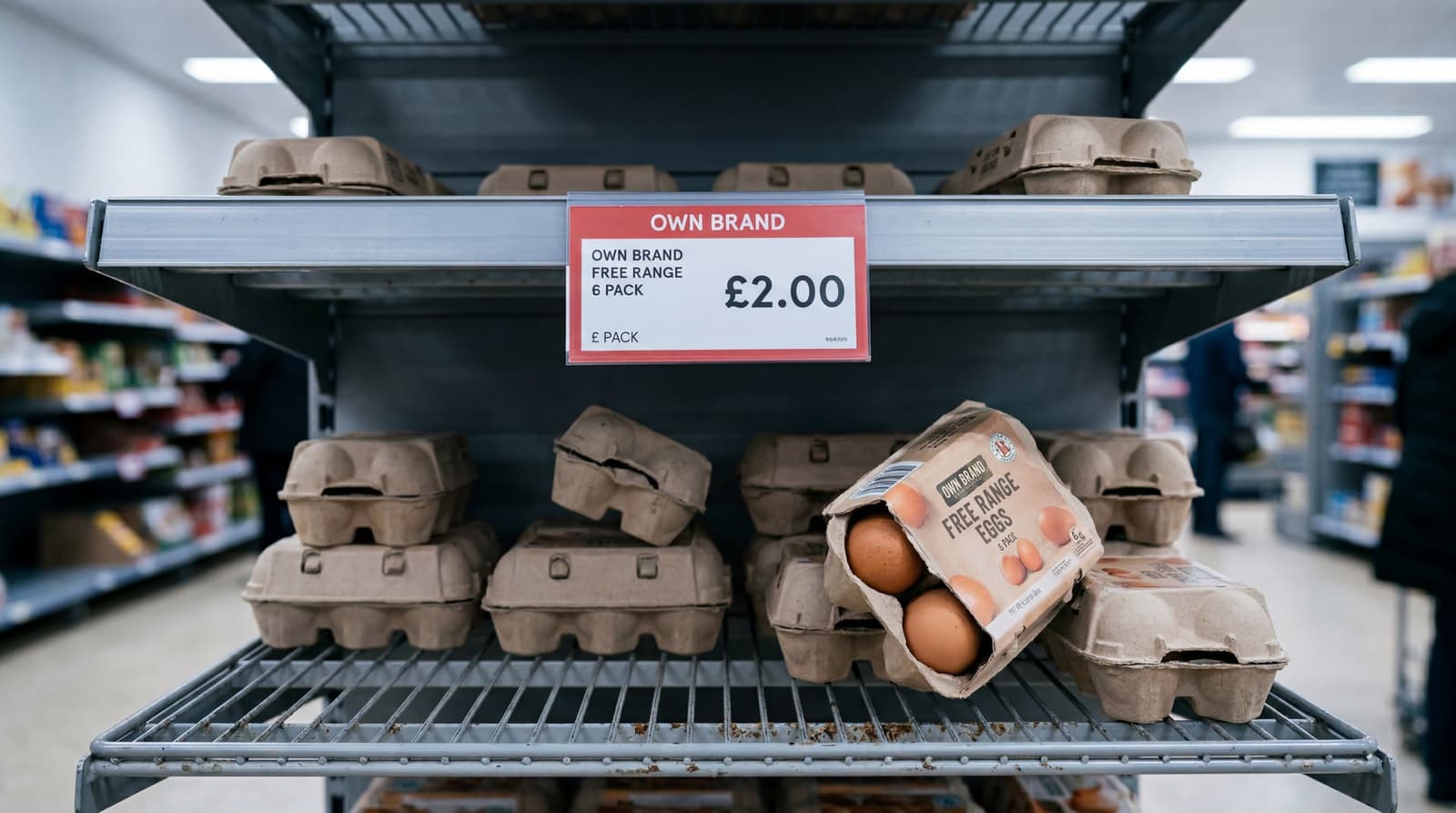
Six eggs used to cost £1. Here's why they're now £2.
UK egg prices have doubled in four years despite record production. The real story isn't greedflation, it's how prices move down much slower than they move up.
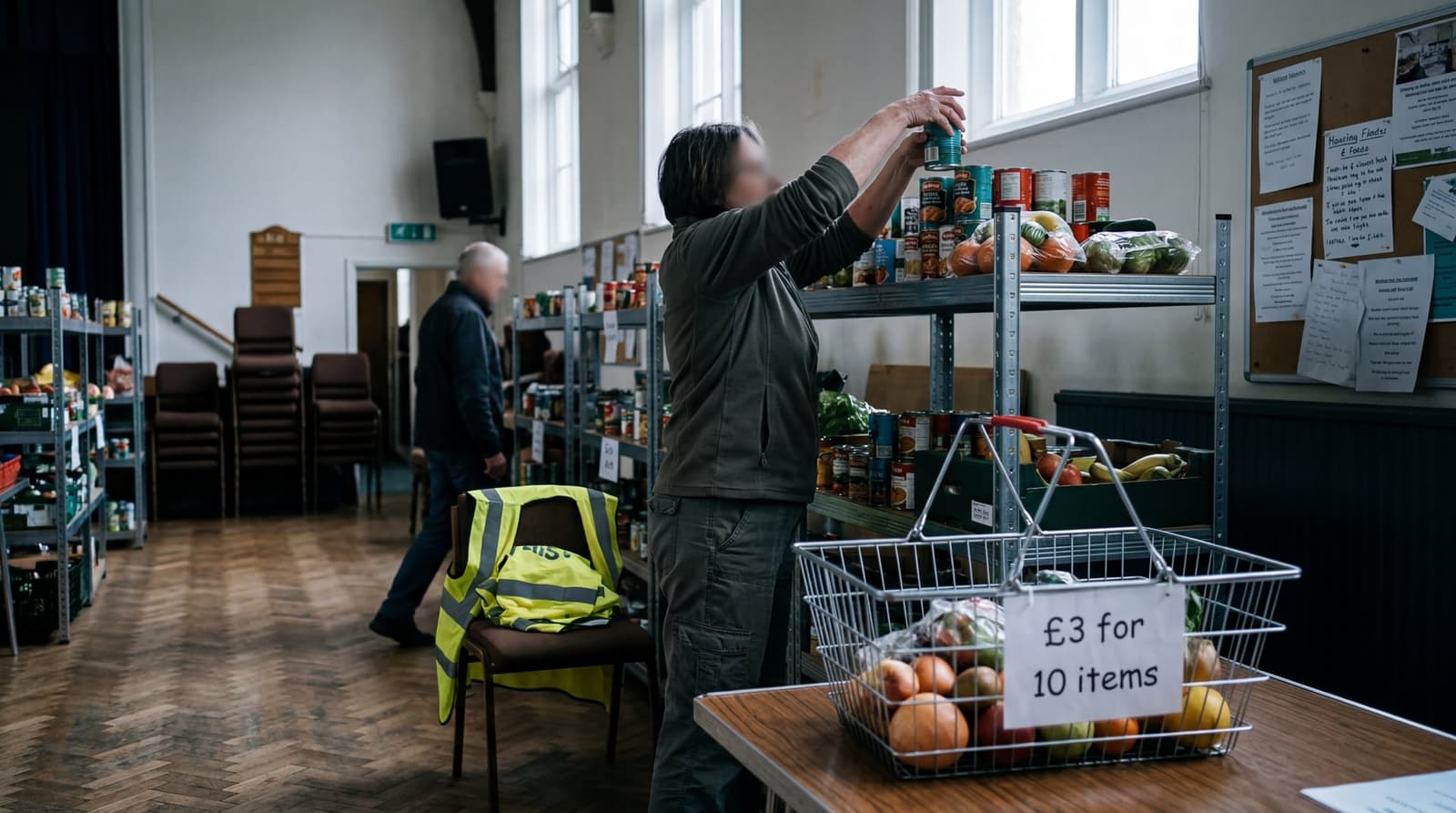
In Cambridge, a paycheck no longer keeps workers out of the food bank
The UK's most unequal city is now feeding employed residents through subsidised food clubs, raising questions about whether wages or housing will ever catch up.
UK spends £25 on youth benefits for every £1 on jobs help, Milburn finds
The former Labour health secretary's interim NEET review lands on a government still bruised by last summer's welfare rebellion, and questions whether spending more on job schemes can fix a crisis now driven by mental…

Why your ice cream costs $6.49: a coconut, cocoa and corporate crisis
A record-hot summer pushed American ice cream prices to all-time highs. The deeper story runs through Philippine biodiesel mandates, West African droughts, and the breakup of the world's biggest ice cream company.
Keep Reading
Assyrian Christian Among 85,000 Prisoners Released in Iran Amid Coronavirus Pandemic

Northern Ireland's rarest rainforest gets a 100-year reboot in Tyrone

Four Jersey beaches flunk bacteria tests as island bakes in record May heat

Bionic arms for five-year-olds, a third thumb, and the 90% who get nothing
Frasers rebrands Castleford outlet 'Leeds'. The real story is a credit product.