





Reeves's summer VAT cut: the rare Treasury plan that didn't leak
The Chancellor's £300m holiday giveaway landed without a pre-briefing trail. The bigger tell, BBC's Chris Mason argues, is what she left out.

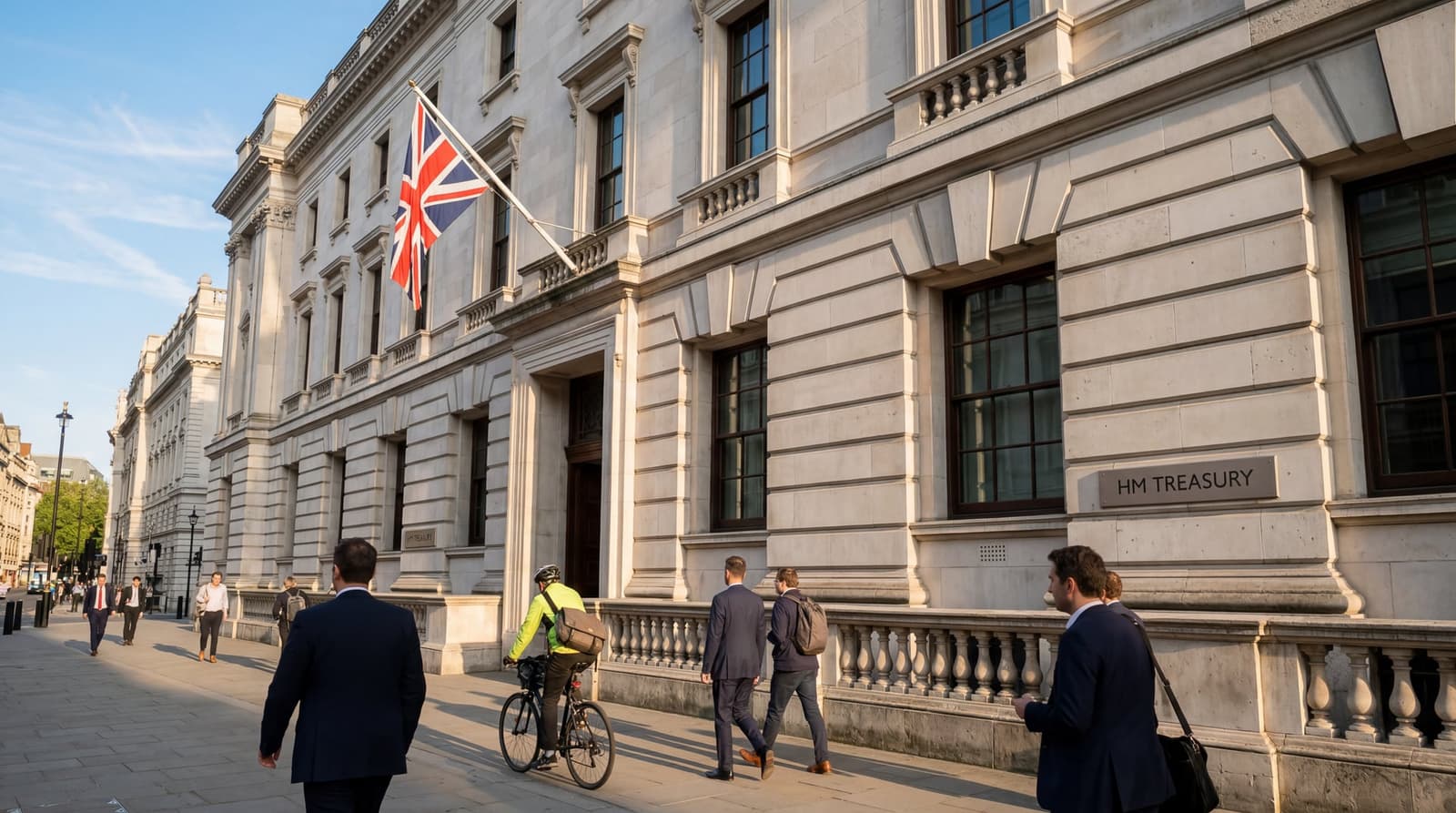
Chancellor Rachel Reeves on Thursday unveiled a £300 million package of temporary cost-of-living measures branded the Great British Summer Savings scheme, anchored by a sharp cut in VAT on summer attractions and a month of free bus travel for children in England.
From 25 June to 1 September 2026, VAT on theme parks, zoos, aquariums, museums, cinemas and theatres will drop from 20% to 5%, the BBC reported. Children aged 5 to 15 in England will travel free on participating local buses throughout August, backed by more than £100 million in central funding. Reeves also suspended import tariffs on over 100 food and drink lines, scrapped a planned fuel duty rise, lifted tax-free business mileage by 10p, and granted hauliers a 12-month road tax holiday.
"I recognise that what matters for families is not just getting by but being able to enjoy time together without worrying about the next bill," Reeves told the Commons, according to AOL.
The package is part-funded by rewriting how energy companies are taxed on foreign branch profits, a change the Treasury expects to raise "hundreds of millions a year," The National reported.
The announcement that didn't leak
The policy detail is striking. The politics around how it surfaced is, in some ways, more revealing.
In his analysis for the BBC, political editor Chris Mason flagged something unusual about Thursday's statement: the headline VAT measure did not leak in advance. For a Treasury that spent late 2025 fending off criticism over chaotic pre-Budget briefings and a contested OBR document leak, the silence ahead of Reeves's despatch box moment looked deliberate.
Mason also drew attention to what isn't in the package: any direct help with energy bills. Ministers have parked that decision until September, ahead of winter.
That two-part observation, discipline on the way in, deferral on the most expensive question, is the political shape of the day. Reeves gets a clean rollout on a crowd-pleasing summer giveaway. The harder, costlier call on household energy support sits in a separate envelope, to be opened closer to the cold.
What households actually save
The Food and Drink Federation estimates the tariff suspension on biscuits, chocolate, dried fruit, nuts and other items will trim around 10p off the average weekly shop, or roughly £5.20 a year per household, ITV News reported. The Treasury puts the wider consumer benefit at more than £150 million annually.
For a family of four visiting a £100-a-head theme park during the holiday window, the VAT cut implies a saving of roughly £15 per head if attractions pass the reduction through in full. Whether they do is the open question. The hospitality and visitor attractions sector is the primary commercial beneficiary of the cut, and ministers will be watching ticket prices closely through July and August.
The headline measures break down as follows:
- VAT on summer attractions cut from 20% to 5%, 25 June to 1 September
- Free August bus travel for 5- to 15-year-olds in England, funded by over £100 million
- Tariffs suspended on 100-plus food and drink imports
- Fuel duty frozen, business mileage allowance up 10p, HGV road tax waived for 12 months
Prime Minister Sir Keir Starmer framed the package around the school holidays. "I know how precious that time is, yet too many parents feel they have to hold back because the cost of living is still squeezing budgets," he said, according to GB News.
A calculated gap on energy
The gap on energy bills is where the opposition and charity sector have concentrated their fire.
Citizens Advice chief executive Dame Clare Moriarty welcomed the family-focused measures but said they fail to grapple with record energy debt. "With budgets strained across the country, free bus travel and help with food costs will make a real difference for families this summer," she said, per MSN. The qualifier was the point: her organisation deals daily with households whose arrears predate any holiday outing.
IPPR's Harry Quilter-Pinner pushed harder, calling for rent caps and a shift in the tax burden "from work to wealth."
Shadow Chancellor Sir Mel Stride dismissed the retail savings as token. "If a packet of peanuts or a chocolate bar is slightly cheaper, this would not make a big difference to households," he said. On fuel duty, he accused Reeves of a U-turn: "It was always obvious that the fuel duty increase would need to be cancelled. Obvious to everyone except the Chancellor."
The inflation backdrop
Reeves pitched the package as a response to renewed inflation pressure linked to the Iran conflict and disruption in the Strait of Hormuz. UK CPI ran at 2.8% in April 2026, with Bank of England and food-industry analysts warning headline inflation could climb toward 4% and food inflation toward 10% later in the year.
"My No 1 priority is protecting households from rising costs," Reeves told MPs. "As the war in Iran pushes prices up at home, my economic plan is the right one."
The Chancellor has also paired Thursday's consumer measures with industrial support, including a £350 million Critical Chemicals Resilience Fund and a £120 million ceramics package, signalling continued state intervention in energy-intensive sectors. The Treasury describes the wider fiscal envelope as £18 billion over six years.
The immediate test is whether attractions and supermarkets pass the savings through, and whether the September energy package, when it lands, is bold enough to close the gap critics opened on Thursday. For now, Reeves has bought a summer of relatively friendly headlines. The harder bill comes due in autumn.
Related stories
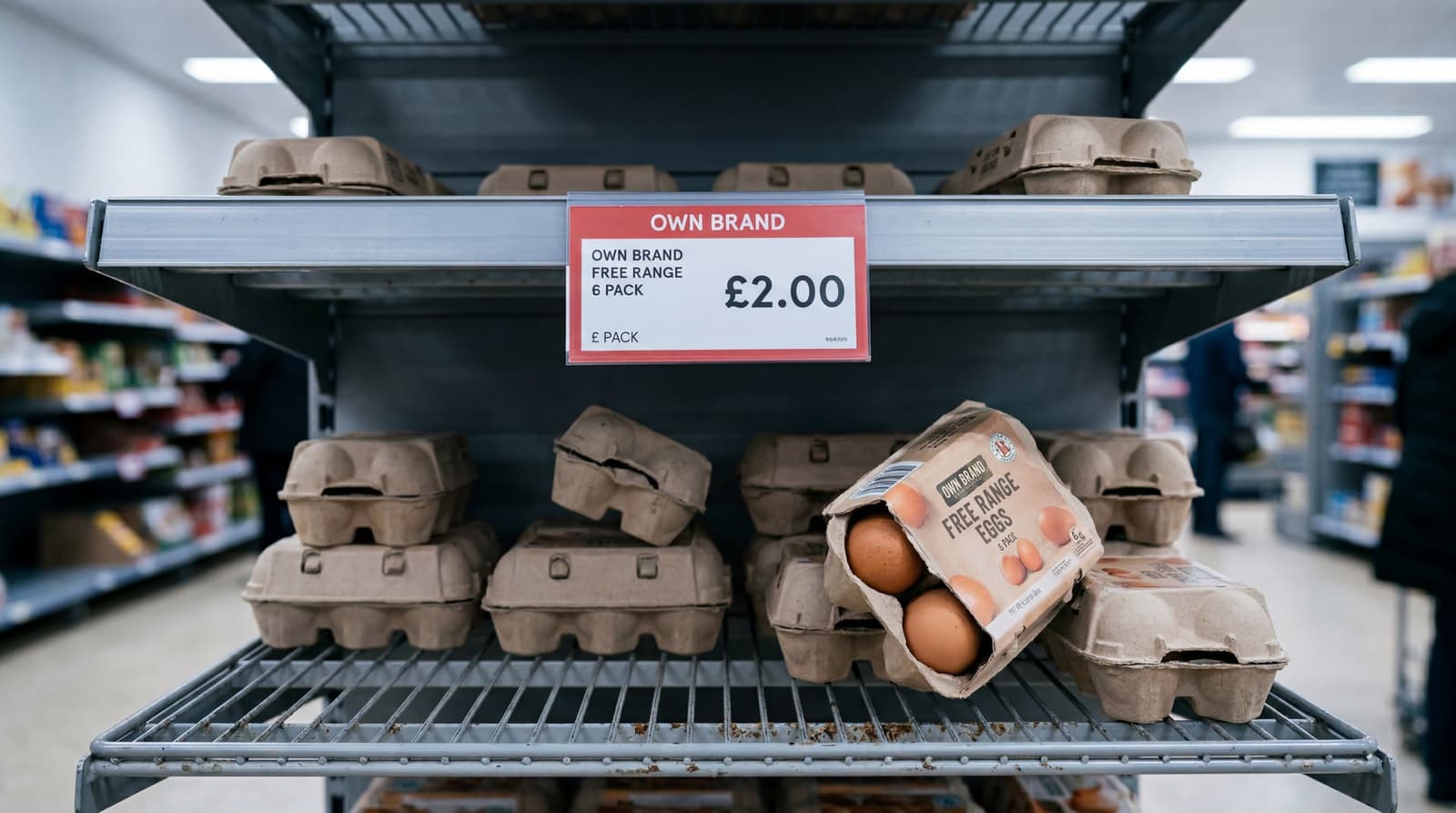
Six eggs used to cost £1. Here's why they're now £2.
UK egg prices have doubled in four years despite record production. The real story isn't greedflation, it's how prices move down much slower than they move up.
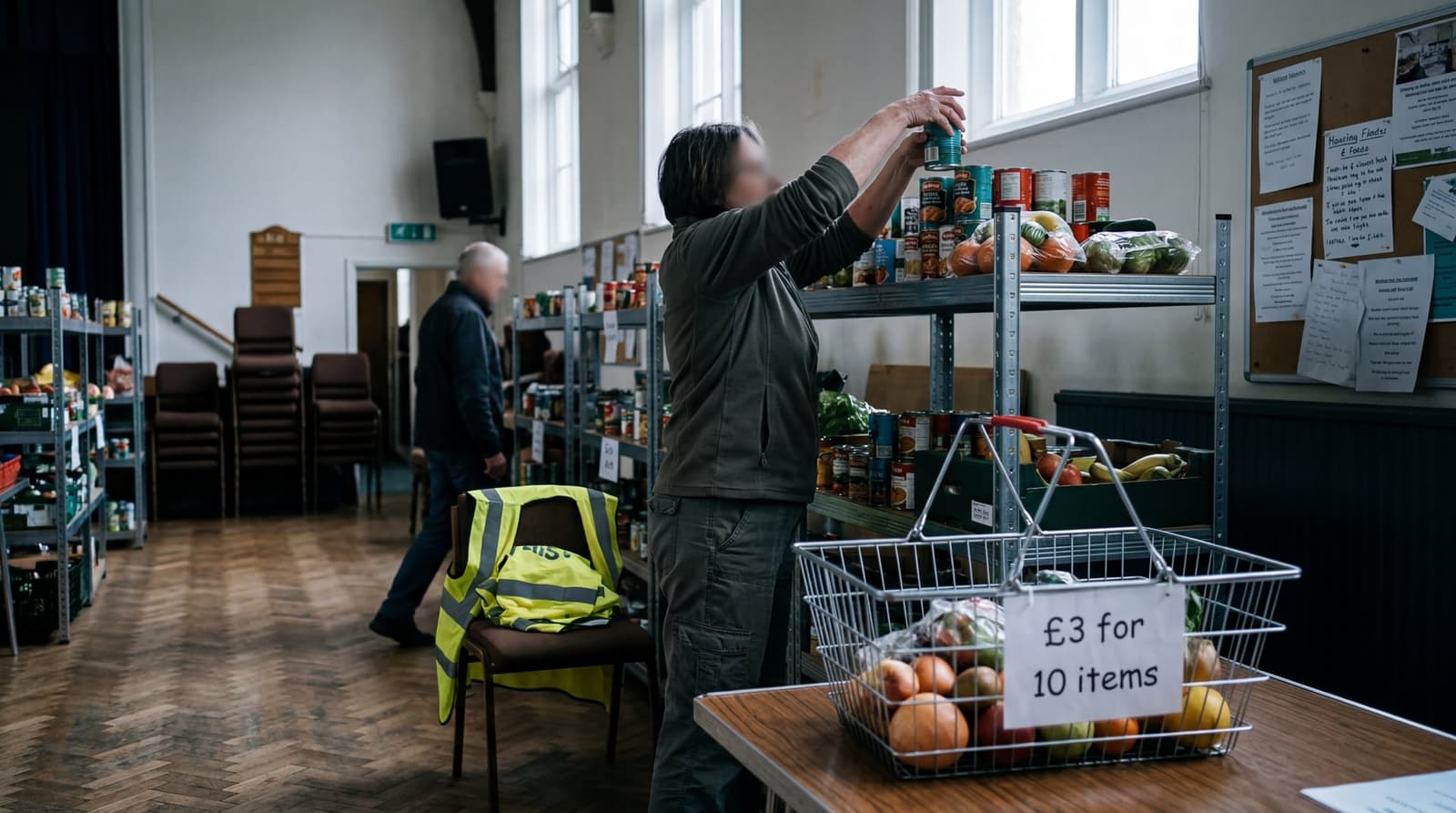
In Cambridge, a paycheck no longer keeps workers out of the food bank
The UK's most unequal city is now feeding employed residents through subsidised food clubs, raising questions about whether wages or housing will ever catch up.
UK spends £25 on youth benefits for every £1 on jobs help, Milburn finds
The former Labour health secretary's interim NEET review lands on a government still bruised by last summer's welfare rebellion, and questions whether spending more on job schemes can fix a crisis now driven by mental…

Why your ice cream costs $6.49: a coconut, cocoa and corporate crisis
A record-hot summer pushed American ice cream prices to all-time highs. The deeper story runs through Philippine biodiesel mandates, West African droughts, and the breakup of the world's biggest ice cream company.
Keep Reading
Assyrian Christian Among 85,000 Prisoners Released in Iran Amid Coronavirus Pandemic

Northern Ireland's rarest rainforest gets a 100-year reboot in Tyrone
Four Jersey beaches flunk bacteria tests as island bakes in record May heat

Bionic arms for five-year-olds, a third thumb, and the 90% who get nothing
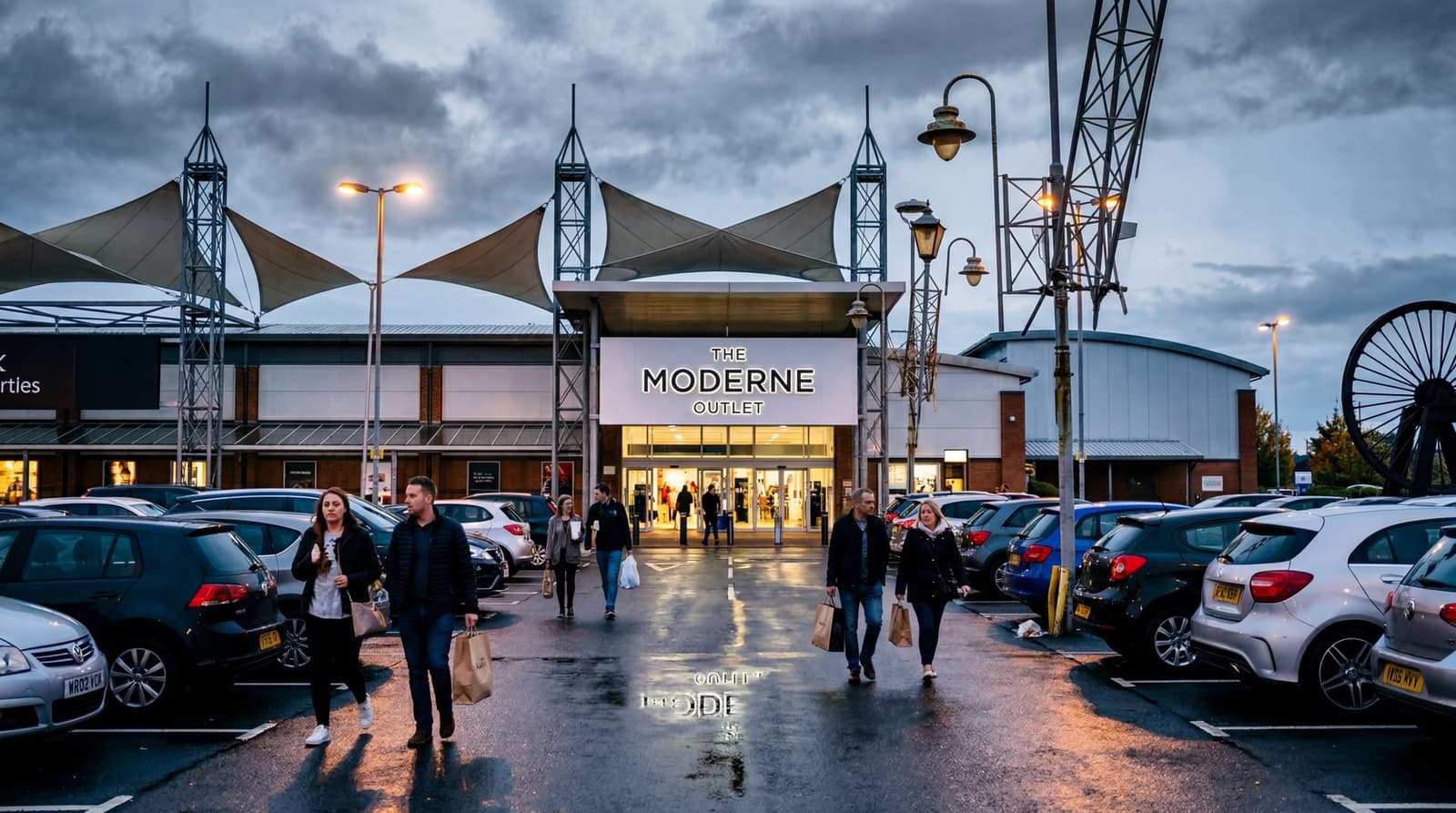
Frasers rebrands Castleford outlet 'Leeds'. The real story is a credit product.